 Sudden Valley Window
 Serving Sunnyland and the Sudden Valley Area
Sunnyland sits in a part of Whatcom County where the exterior of a house works harder than in most places. Between the marine air coming off the water, the long wet stretch that runs from fall through spring, and the shade cover that a lot of these lots have from mature trees, homes here take on moisture and grime in ways that homes twenty miles inland just don't. If you've owned a place in this area for more than a few years, you've probably already noticed it: window frames that stay damp longer than they should, north-facing siding that never quite dries out, roof edges that grow moss faster than the rest of the field. None of that is a defect in your house. It's just what this climate does, and it's the reason exterior work here needs to be approached a little differently than a generic install job.
We work on windows, siding, roofing, and decks, and we treat them as one system rather than four separate trades, because on a house in this area they behave like one system. A window that leaks at the flashing can rot the wall sheathing behind the siding. A roof that sheds water poorly can dump extra runoff onto a deck ledger board. Understanding how those pieces interact is a big part of what a local, general exterior crew brings to a job that a windows-only specialist from out of the area might miss.
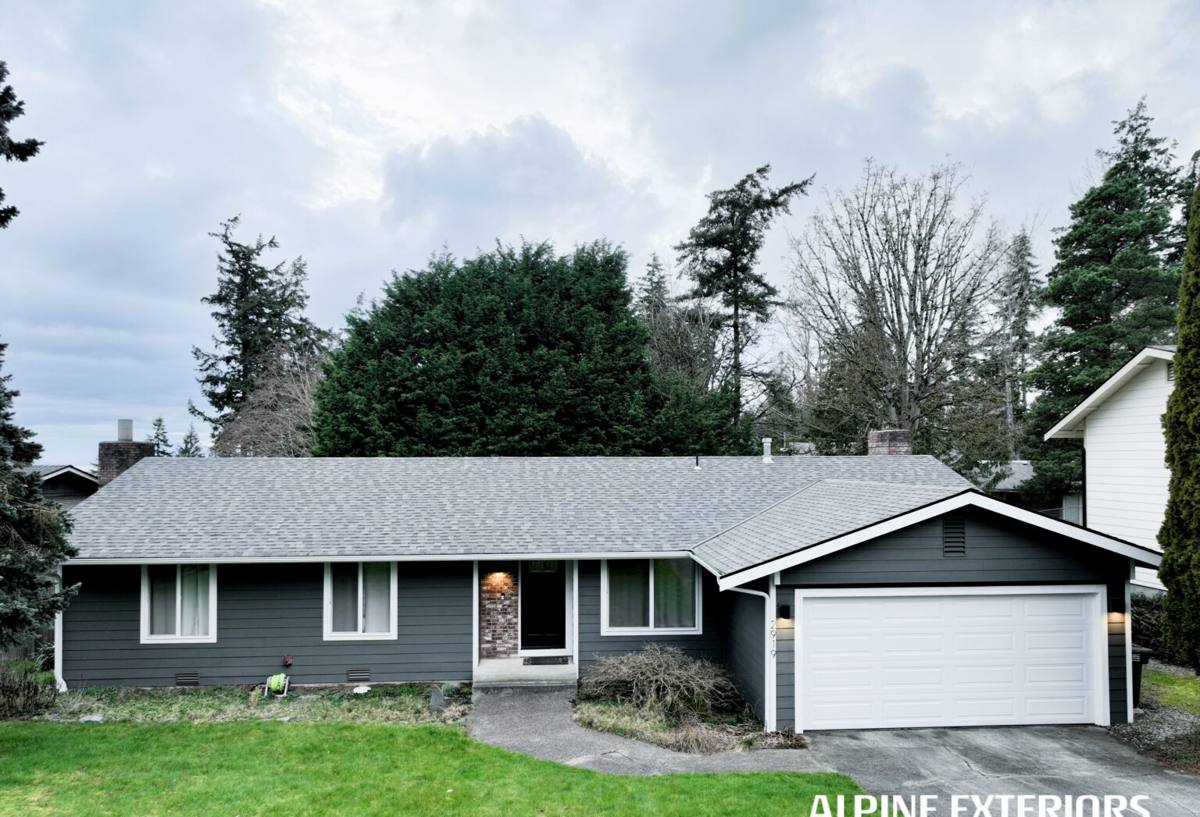
What the Local Climate Does to Windows and Exteriors
Salt Air and Metal Fatigue
Proximity to saltwater means airborne salt settles on exterior surfaces, including window hardware, screen frames, and any exposed fasteners. Over years, that accelerates corrosion on lower-grade hinges, cranks, and locking mechanisms, and it can dull or pit aluminum trim and gutters. It's a slow process, but it's cumulative, and it's one reason we pay attention to the hardware grade and finish on any window we install here, not just the glass package.
Driving Rain and Wind-Driven Moisture
This isn't a climate of gentle drizzle. Storms here often come with real wind behind the rain, which pushes water sideways into wall assemblies rather than letting it simply run down the face of the building. That matters enormously for windows, because a window that's watertight in a calm rain can still leak under wind-driven rain if the flashing and sill pan weren't detailed correctly. Most of the water intrusion problems we find during inspections trace back to flashing and sealant details, not the window unit itself.
Moss, Algae, and the Long Wet Season
Shaded lots and a wet season that stretches for a good chunk of the year create ideal conditions for moss and algae growth on roofing, siding, and even window sills that don't get much sun exposure. Beyond the cosmetic issue, moss holds moisture against roofing and siding materials far longer than bare exposure would, which shortens the useful life of those materials and can contribute to rot in wood trim over time.
Signs Your Windows Are Losing the Battle
Homeowners in this area often live with early warning signs for a while before calling anyone, mostly because the signs are subtle at first. Here's what we'd want you to watch for:
- Fogging or a hazy film between the panes of a double-pane window, which means the seal has failed and the insulating gas or dead air space has been compromised
- Soft or discolored wood on the interior sill or exterior trim, which usually points to water getting past the seal or flashing
- Windows that are noticeably harder to open, close, or lock than they used to be, often from swelling, warping, or corroded hardware
- A persistent draft you can feel near the frame even when the window is fully latched
- Visible gaps between the window frame and the siding or trim, especially after the house has settled over a number of years
- Condensation on the interior glass that seems worse than it used to be, which can mean the seal is degrading even before fogging becomes obvious
Any one of these on its own isn't necessarily an emergency. But if you're seeing two or three of them on the same window, that's usually a sign the unit is past the point where caulk and weatherstripping will fix it.
How We Approach a Window Replacement
We start with an on-site look at the actual openings, not a generic quote. Wall assemblies, framing, and how the original windows were flashed vary from house to house even within the same neighborhood, and that changes what needs to happen during install. A few things we're specifically checking for on homes in this area:
- Condition of the framing and sill once the old window is out — this is where hidden rot or past water intrusion shows up, and it needs to be addressed before a new window goes in, not covered over
- Whether the existing flashing integrates properly with the siding, or whether it needs to be redone to shed wind-driven rain correctly
- Sill pan condition and slope, since a sill that doesn't drain outward is one of the more common hidden causes of slow leaks
- Insulation and air sealing around the rough opening, which affects both comfort and long-term moisture management inside the wall cavity
We use quality sealants rated for exterior exposure and take the extra time on flashing details because, frankly, that's the part of the job that determines whether a window lasts fifteen years or thirty in this climate. The window unit itself is usually the easy part.
Frame Material: What Actually Holds Up Here
| Material | How It Handles This Climate | Maintenance |
|---|---|---|
| Vinyl | Good moisture resistance, no rot risk, handles the wet season well; quality varies a lot by manufacturer | Low — occasional cleaning |
| Fiberglass | Very stable in temperature swings and moisture, holds paint well, strong long-term option near salt air | Low |
| Aluminum | Durable but conducts heat and cold, and lower-grade finishes can pit under salt air exposure over time | Moderate |
| Wood (clad or unclad) | Classic look, but exposed wood needs consistent upkeep in a climate this wet; clad wood shifts more of that burden to the cladding | High for unclad; moderate for clad |
We'll talk through the trade-offs honestly based on your home's exposure — a window on a north wall under tree cover has different needs than one facing open water or full sun. There isn't one right answer for every opening on every house.
Siding, Roofing, and Decks: The Rest of the Envelope
Because we handle the full exterior, we're often the ones catching problems that a windows-only visit wouldn't. A few examples of how the trades connect on a typical Sunnyland-area home:
Siding
Siding is the first line of defense against wind-driven rain, and it's also what channels water around window and door openings. Gaps, cracked caulking, or siding that's pulled away from trim boards can redirect water straight into a window opening even if the window itself is in good shape. When we replace windows, we check the surrounding siding condition as part of the job, and we'll flag it separately if it needs its own attention.
Roofing
Roof edges and valleys are where moss tends to establish first, and a roof that's shedding granules or holding moisture at the eaves can send extra water down onto upper-story windows and siding below. Keeping moss under control and maintaining clear drainage at the roofline is as much a window-protection measure as it is roof maintenance.
Decks
Decks in this area take the same driving rain and moss exposure as everything else, plus standing water risk if drainage wasn't planned correctly at the ledger and joists. A deck ledger attached to the house wall is another point where flashing detail matters — done poorly, it's a direct path for water into the wall structure behind it.
Thinking about these four trades together means fewer surprises. If we're on your roof and notice a flashing detail that's likely to affect a window below it, we'll tell you, even if that wasn't the original scope of the visit.
Why a Local Crew Matters for This Kind of Work
Whatcom County's coastal-influenced climate isn't the same as the drier side of the state, and it's not the same as inland Western Washington either. A crew that works this specific area regularly gets a feel for which details actually matter here — how much overhang a window needs on a wall that catches wind-driven rain, which flashing approaches hold up against sustained damp exposure, where moss tends to establish first on a given roof orientation. That kind of pattern recognition comes from doing the work here repeatedly, not from a general playbook.
There's also a practical service side to it. A local crew can get back out to a job for a warranty check or a follow-up adjustment without it being a special trip, and we're not going anywhere if a question comes up two years after the install.
Maintenance That Actually Extends Window and Exterior Life
New windows and fresh siding or roofing will last a lot longer with a little routine attention. This isn't a sales pitch for a maintenance contract — it's genuinely just what keeps this climate from winning.
- Clean window tracks and weep holes at least once or twice a year so they can actually drain, especially before the wet season ramps up
- Check and refresh exterior caulking around window and door trim every couple of years — sealant is a wear item, not a one-time fix
- Keep gutters and downspouts clear so roof runoff isn't dumping extra water onto siding or window heads
- Address roof or siding moss before it spreads, rather than waiting until it's heavy and holding moisture against the material
- Trim back vegetation that keeps windows or siding shaded and damp longer than the rest of the house
- Test window locks and hardware periodically, since corrosion issues are easier to catch early than after a mechanism fails
What a Project Timeline Typically Looks Like
Every home is different, but for context: a straightforward whole-house window replacement on an average Sunnyland-area home typically runs a few days once material has arrived, weather permitting. Lead time on ordering windows varies by manufacturer and frame material, generally running several weeks. We'll give you a realistic schedule specific to your project once we've assessed the openings and you've chosen a product line, rather than a generic estimate that doesn't account for your home's actual conditions.
Getting an Honest Look at Your Home
If your windows are fogging, sticking, drafting, or just starting to feel their age, or if you're noticing moss creeping onto the roof or siding pulling away from trim, it's worth having someone look at the whole picture rather than patching one symptom at a time. We're happy to come out, walk the exterior with you, and give you a straightforward read on what's actually going on and what your options are — no pressure, no inflated urgency. Use the form below to request a free estimate.