 Sudden Valley Window
 Windows Built for South Hill's Weather, Not Just the Showroom
South Hill sits close enough to the water and the tree line that its homes take a different kind of beating than houses further inland. Between the salt-laden air drifting off Lake Whatcom and the Puget Sound region, the driving rain that comes sideways in a winter storm, and the long stretch of gray, damp months that let moss and algae take hold on anything that stays wet too long, windows here have to do more than look good. They have to keep water out, resist corrosion, and hold their seal year after year without babying. Sudden Valley Window Co has spent years working on homes throughout Whatcom County, and South Hill's particular mix of exposure and moisture is something we plan for on every job, not something we discover after the fact.
This page covers what we actually see on South Hill homes, how our window installation and repair process works, and what homeowners should know before hiring anyone to touch their windows.
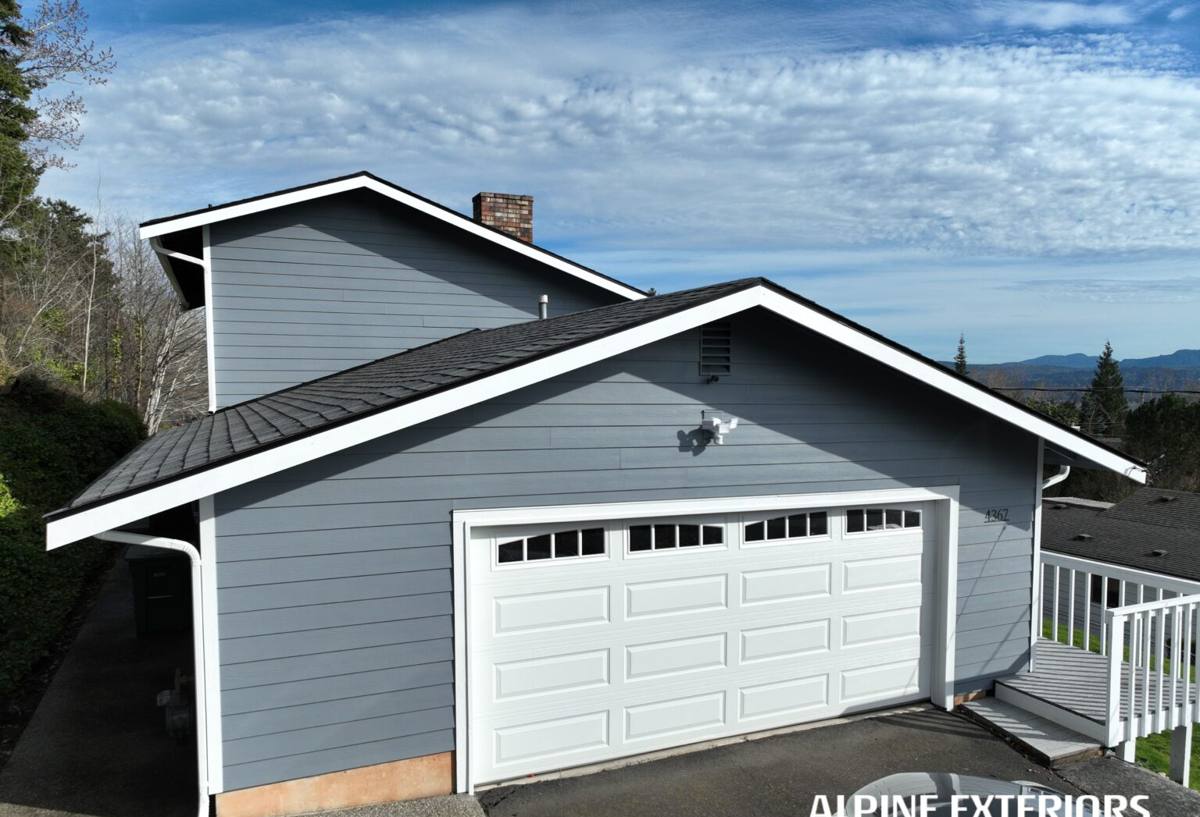
What Whatcom County's Climate Does to Windows Over Time
Salt Air and Metal Fatigue
Homes closer to open water deal with a slow, steady corrosion process on anything metal — window hardware, screen frames, and older aluminum sashes are the first to show it. Salt air accelerates oxidation, and once hardware starts to pit or seize, a window that used to open smoothly starts fighting you every time. It's rarely dramatic, just a gradual stiffening that owners often blame on "settling" when it's really the metal breaking down.
Driving Rain and Wind-Driven Water
Storms coming off the water don't just drop rain straight down — wind pushes it sideways into every gap, sill, and seam. Windows that were installed without proper flashing or with weak sealant joints will show it as water staining on interior sills, bubbling paint below the window, or soft spots in the surrounding trim. This kind of intrusion is slow and often invisible until the damage is already inside the wall cavity.
Moss, Algae, and the Long Wet Season
Whatcom County's extended damp season gives moss and algae a long runway to establish themselves on anything north-facing, shaded, or slow to dry. On windows, that shows up as green or black buildup in the tracks, along the exterior sill, and in corners where water pools instead of draining. Left alone, that moisture retention breaks down sealants and wood trim faster than a drier climate ever would.
Condensation and Indoor Humidity
Cool, damp Pacific Northwest air means single-pane or aging double-pane windows fog up more, and that moisture cycling between condensation and drying stresses seals over time. A failed seal shows up as a permanent haze or fog between the panes that no amount of cleaning will fix — a sign the insulated glass unit itself has given out.
Common Warning Signs We See on South Hill Homes
- Fogging or a permanent haze between panes of double-pane glass — the seal has failed
- Drafts you can feel near the frame even when the window is fully latched
- Wood sills that feel soft, spongy, or show dark staining
- Windows that are hard to open, close, or lock — often a sign of hardware corrosion or frame warping
- Visible moss, algae, or black streaking in the tracks or along the exterior sill
- Rising heating bills without a clear explanation
- Paint bubbling or peeling on interior trim below a window
- Noticeable outside noise coming through that didn't used to
How We Approach a Window Project
1. On-Site Assessment
We start by walking the exterior and interior of the home, checking every window's condition, not just the ones the homeowner flagged. Because moisture damage in this climate tends to be gradual, a window that looks fine from six feet away can have a soft sill or a failing seal that's easy to miss without a close look.
2. Honest Repair-vs-Replace Recommendation
Not every window needs full replacement. Sometimes it's a matter of re-glazing, replacing weatherstripping, or repairing a sash. We'll tell you when a repair makes sense and when it doesn't — replacing a window with rotted framing behind it without addressing the rot just means paying to redo the work later.
3. Proper Flashing and Sealing
Given how much wind-driven rain this area gets, correct flashing at the head, jambs, and sill is not optional. We integrate flashing with the home's existing water管理 systems (housewrap, siding laps) so water sheds outward and down, never behind the window frame.
4. Material Selection for the Climate
We steer clients toward frame materials and finishes that hold up against sustained moisture and occasional salt exposure — vinyl and fiberglass frames with corrosion-resistant hardware tend to need less upkeep here than bare aluminum or unclad wood exteriors. Wood-interior windows still have their place for homeowners who want that look indoors, paired with a weather-resistant exterior cladding.
5. Cleanup and Walkthrough
Every install ends with a full walkthrough — operation check, lock function, and a look at the exterior sealant lines — before we consider the job done.
Window Types That Make Sense for This Area
| Window Style | Why It Works Here | Watch-Outs |
|---|---|---|
| Vinyl double-hung | Low maintenance, resists moisture and corrosion, budget-friendly | Quality varies widely between manufacturers — hardware grade matters |
| Fiberglass | Very stable in temperature and moisture swings, long service life | Higher upfront cost |
| Aluminum-clad wood | Warm interior look with a weather-resistant exterior shell | Clad finish quality determines how well it resists salt-air corrosion |
| Casement | Compresses tightly against the frame for a strong seal against driving rain | Crank hardware needs periodic lubrication in damp climates |
| Single-pane or bare aluminum (older stock) | Common in older South Hill homes | Poor insulation, prone to condensation and hardware corrosion — usually a replacement candidate |
What Drives the Cost of a Window Project
Every home is different, but a few factors consistently move the price up or down: the number of openings, window size and style, frame material, whether there's rot or structural repair needed behind the existing window, and access (a second-story install takes more time and equipment than a ground-floor swap). We give straightforward, itemized estimates so homeowners can see exactly what they're paying for — no vague lump-sum numbers.
- Number and size of window openings
- Frame material chosen (vinyl, fiberglass, clad wood)
- Condition of the existing framing and sill — hidden rot adds scope
- Glass package (standard double-pane vs. upgraded low-E or triple-pane)
- Site access and second-story complexity
- Whether trim, siding, or flashing needs to be reworked alongside the window
Why Hire a Local Crew Instead of a Traveling Sales Team
National window companies often run on a sales-then-subcontract model — a rep sells the job, then a rotating crew installs it, and neither one has to live with how it performs through a Whatcom County winter. A local crew answers for its own work. If a seal fails or a sill needs attention two years down the road, we're still here, still local, and we know exactly what was installed and how. That accountability matters more in a climate that's actively testing every seam year-round.
Beyond Windows: The Rest of Your Home's Exterior
Windows don't work in isolation — they're part of a home's overall envelope, alongside the siding, roofing, and any decks that tie into the structure. Sudden Valley Window Co handles all four, which means when we're assessing your windows we're also keeping an eye on flashing details, siding condition around each opening, and roofline drainage that affects how much water reaches your windows in the first place. A leaking gutter or a gap in siding trim can undo good window work fast, so we look at the whole picture rather than treating window replacement as an isolated transaction.
Maintenance That Actually Extends Window Life Here
- Clear tracks and weep holes of moss, debris, and standing water each season
- Wipe down and lightly lubricate hardware on casement and awning windows to fend off corrosion
- Check exterior caulk lines annually and re-seal any cracked or shrunken beads
- Watch for soft or discolored sills, especially on north- and west-facing windows that stay damp longer
- Keep gutters and downspouts clear so roof runoff isn't sheeting directly across window heads
None of this is complicated, but skipping it in a climate like this one shortens a window's usable life considerably. A ten-minute check twice a year catches most problems while they're still cheap to fix.
Get a Straight Answer About Your Windows
If you're in South Hill and dealing with drafty, foggy, or hard-to-operate windows, or you're just not sure whether repair or replacement makes more sense, we're happy to take a look. We'll give you a straightforward, no-pressure estimate and tell you honestly what we'd do in your position — use the form below to get started.