 Sudden Valley Window
 Storm Damage Roofing in Acme: A Different Set of Problems
Acme sits in a part of Whatcom County where weather doesn't do anything halfway. Homes here take on driving rain that comes in sideways during winter systems, salt-laden marine air moving inland off the Sound, and long stretches of gray, damp weather that keeps roofs wet for days at a time. That combination is hard on a roof in ways that dry-climate damage isn't. A storm doesn't just knock a few shingles loose — it opens a path for moisture to keep working on the roof deck long after the wind has died down.
We work on roofs throughout Sudden Valley and the surrounding area, and Acme has its own quirks: tree cover that drops branches and debris during wind events, elevation and exposure that vary a lot from one property to the next, and older roofing on a fair number of homes that was never built to today's ventilation or underlayment standards. Storm damage repair here isn't a one-size job. It has to account for what's already going on with a roof before the storm hit.
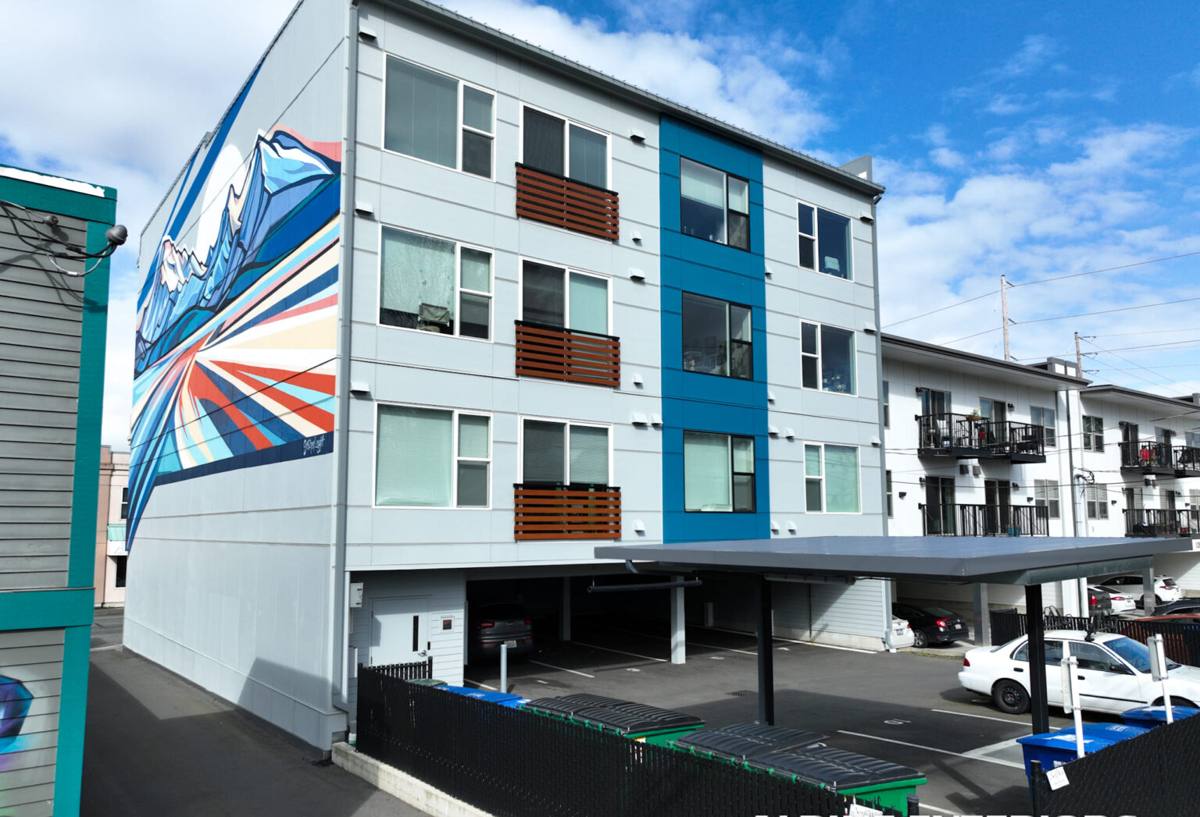
What Storm Damage Actually Looks Like on a Whatcom County Roof
Not all storm damage is obvious from the ground. Some of it takes weeks or months to show up as a stain on a ceiling, which is why it pays to know what to look for right after a wind or rain event.
Visible signs
- Missing, cracked, or curled shingles, especially on the side of the roof that faces prevailing wind
- Granules collecting in gutters or at the base of downspouts
- Bent, lifted, or missing flashing around chimneys, vents, and skylights
- Dented or dislodged gutters and downspouts
- Debris — branches, needles, moss clumps — pooled in valleys or against the roofline
Hidden signs that take longer to appear
- Soft or discolored spots on interior ceilings, usually near an exterior wall or chimney
- A musty smell in the attic that wasn't there before
- Daylight visible through the roof deck from inside the attic
- Insulation that's damp or matted down in one area
The gap between a storm and a stain showing up inside the house is exactly why we recommend a roof check after any significant wind or rain event, not just after damage is already visible indoors.
Why Driving Rain and Salt Air Make Repairs Trickier
A lot of roofing damage in this part of Washington isn't caused by wind alone — it's wind-driven rain finding a weak point. Wind can push water uphill under shingles and through gaps that would never leak in a straight-down rain. That means a storm repair has to do more than replace what's obviously broken; it has to check whether water actually got underneath the roofing material and into the underlayment or deck.
The marine air common to this part of Whatcom County adds a second problem: it accelerates corrosion on exposed metal — nails, flashing, gutter hardware — faster than it would inland. A repair that uses the wrong fastener or flashing metal can fail again within a few years, which is a poor use of a homeowner's money even if the labor was done carefully.
What a Correct Storm Damage Repair Involves
A proper repair is not just swapping out the shingles that are visibly gone. It follows a sequence:
- Full roof and attic inspection — not just the damaged section, since wind-driven water often travels sideways from the actual entry point.
- Deck assessment — checking for soft, delaminated, or rotted plywood/OSB underneath the roofing, which has to be replaced before new material goes down.
- Underlayment repair or replacement — the layer that does the real waterproofing work once shingles are compromised.
- Flashing correction — around chimneys, skylights, and vent pipes, which is where storm leaks most often originate even when the shingles nearby look fine.
- Matching or blending materials — so the repair doesn't stand out and, more importantly, so the repaired section sheds water the same way the rest of the roof does.
- Ventilation check — a roof with poor attic ventilation traps moisture and speeds up moss growth and deck rot, which compounds storm damage over time.
Skipping the deck and underlayment steps is the most common shortcut in rushed storm repairs, and it's also the reason a "fixed" roof leaks again in the next hard rain.
Repair, Partial Re-Roof, or Full Replacement?
Storm damage doesn't always mean the whole roof needs to come off. The right call depends on the roof's age, how widespread the damage is, and what condition the rest of the roofing is in.
| Situation | Typical fix | What to watch for |
|---|---|---|
| Isolated wind damage, roof under 10-15 years old | Targeted repair of the affected section | Matching shingle color/style if the roof has weathered some |
| Damage in multiple areas, roof mid-life (15-20 years) | Partial re-roof of the worst-hit slopes | Whether the rest of the roof is close behind in remaining life |
| Widespread damage or roof near/past expected lifespan | Full replacement | Repair cost approaching a large share of replacement cost |
| Storm damage plus long-term moss/moisture damage to the deck | Deck repair + re-roof of affected area | Rot doesn't stop at the visible damaged section — it spreads |
We'll always tell a homeowner honestly when a repair is the right call versus when they'd be spending money patching a roof that's genuinely at the end of its service life. There's no benefit to us in recommending more work than a roof actually needs.
Our Process for Acme Homeowners
Because we already work storm calls throughout Sudden Valley and the surrounding communities, our process for Acme is straightforward and doesn't start from zero:
1. Fast, honest assessment
We inspect the roof, the attic side of the deck where accessible, and the flashing points that are most likely to have let water in. We tell you what we find in plain terms — what's cosmetic, what's structural, and what can wait versus what can't.
2. A written scope before any work starts
You get a clear description of what the repair covers, what materials will be used, and roughly what it will cost — no vague verbal estimates that turn into surprises on the invoice.
3. Repair done to match the existing roof
We use materials that are compatible with the age and style of the existing roofing so the repaired section performs the same as the rest of the roof, not just looks similar.
4. Documentation for insurance, if needed
If the damage is being filed as a claim, we document conditions with enough detail to support the claim without exaggerating the scope of work needed.
Why It Matters That We Already Work in Acme
A crew that's unfamiliar with a specific area is working blind on a few things that actually matter for a storm repair: how the local weather typically damages roofs (wind direction, moss buildup patterns, how much shade and dampness a given lot tends to hold), what roofing materials and ages are common on homes in the area, and how quickly they can get back out if a repair needs a follow-up visit. None of that is exotic knowledge, but it adds up to fewer surprises and fewer return trips.
There's also a simple logistics benefit: a crew already working the Sudden Valley area can usually respond to storm damage in Acme faster than one dispatching from farther out, which matters when there's an active leak and every day of delay means more water reaching the deck and insulation.
Moss and Long-Term Roof Health
Storm damage and moss damage are connected more than most homeowners realize. A long moss season, common through the wetter months in this part of Washington, holds moisture against the roofing surface and works its way under shingle edges over time. That weakens the roof's ability to shed wind-driven rain, which means the next storm does more damage than it would have on a moss-free roof. Part of any thorough storm repair should include an honest look at moss buildup and, where it's significant, a plan to remove it and slow regrowth — not as an upsell, but because it directly affects how well the repair holds up.
Insurance Considerations
Most homeowners' policies cover sudden storm damage, though coverage details and deductibles vary by policy. A few practical points that help the process go smoother:
- Photograph visible damage as soon as it's safe to do so, before any tarping or temporary repairs change what's visible
- Keep any temporary repairs (like tarping) documented with receipts — most policies reimburse reasonable emergency measures
- Get a written inspection report that separates storm-caused damage from pre-existing wear, since adjusters look for that distinction
- Ask your adjuster directly whether they need to see the roof before repairs begin
We can provide documentation to support a claim, but we don't handle the claim itself — that stays between you and your insurer or a public adjuster if you choose to use one.
After a Storm: A Practical Checklist
- Check the attic for water stains, damp insulation, or daylight through the roof deck
- Walk the perimeter of the house and look for shingle pieces, granules, or flashing on the ground
- Check gutters and downspouts for damage or blockage from debris
- Note any ceiling stains, even small ones, and when they first appeared
- Avoid walking on the roof yourself, especially if it's wet or you're unsure of its condition
- Call for an inspection promptly — water damage gets worse and more expensive the longer it sits
If you're dealing with storm damage on a roof in Acme or elsewhere around Sudden Valley, we're glad to take a look and give you a straight answer about what it needs. The estimate is free, there's no pressure to book anything on the spot, and you can use the form below to get started.