 Sudden Valley Window
 Windows Built for Happy Valley's Corner of Sudden Valley
Happy Valley sits inside the Sudden Valley community along Lake Whatcom, and homes here deal with a specific mix of weather that most window installers treat as an afterthought. Between the lake-effect moisture, the tree cover that keeps things shaded and damp longer than open ground, and the general wear that comes with a long Pacific Northwest wet season, windows in this neighborhood age differently than windows twenty miles inland. We've worked on enough homes around Lake Whatcom to know what actually fails first, what's worth repairing, and what's worth replacing outright.
This page is about windows specifically, but we'll be upfront: window problems in this area rarely show up alone. They usually show up alongside siding and trim issues, and sometimes roofing issues, because it's all the same water finding its way in. If you're only looking at the window right now, that's fine — we'll tell you honestly if it's isolated or part of a bigger pattern.
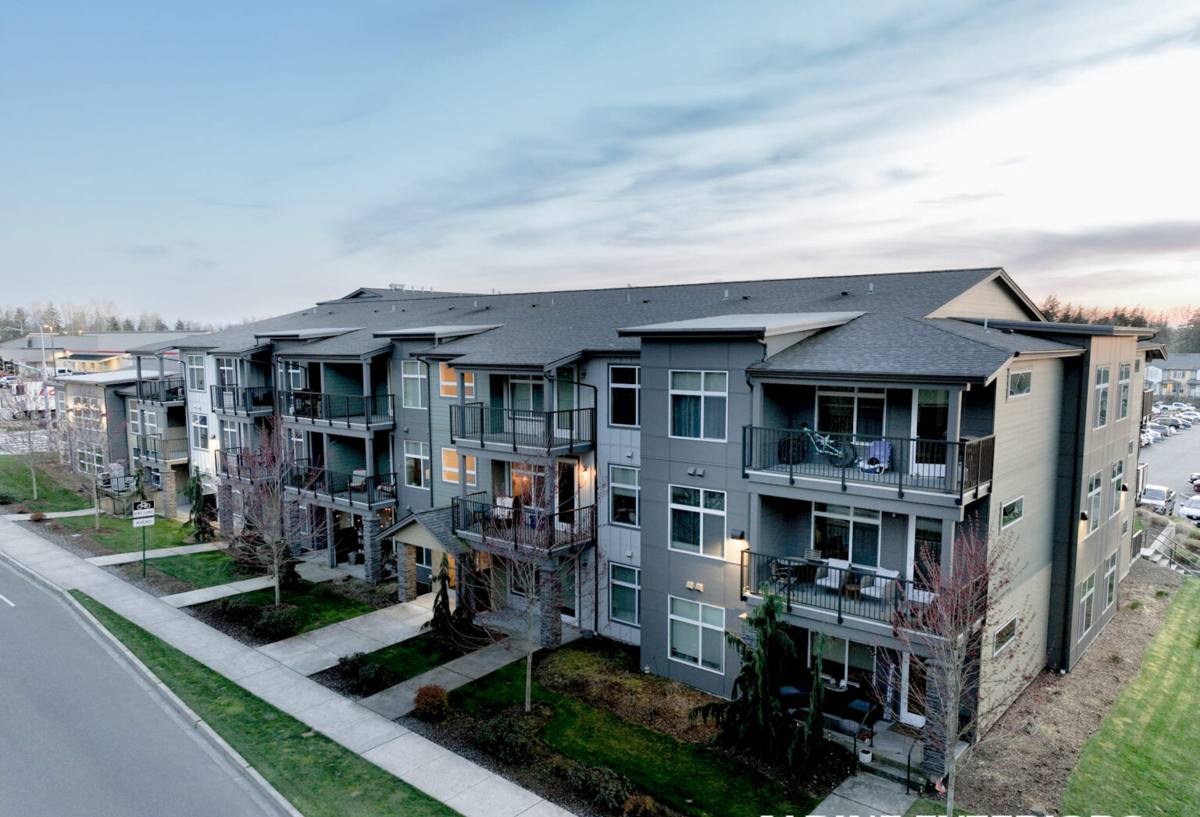
What Whatcom County Weather Does to Windows Over Time
Salt air, driving rain, and a long moss season all take their toll, and Happy Valley gets a version of all three. You're not right on saltwater the way a Bellingham Bay property is, but Puget Sound-influenced weather systems still carry moisture and airborne salts far enough inland to matter, especially combined with the humidity Lake Whatcom holds in the air locally. That moisture doesn't just sit on the glass — it works into frame seams, sill joints, and any gap in old caulking.
Driving Rain and Wind-Driven Moisture
Storms coming off the water don't fall straight down — wind pushes rain sideways into window faces, especially on west- and south-facing walls. Older windows, or windows installed without proper flashing, let that water track behind the frame instead of shedding it. You often won't see a leak at the window itself; you'll see a stain on the interior wall below it, months or years later.
Moss, Algae, and Trapped Moisture
The tree canopy that makes Happy Valley shaded and quiet also keeps humidity and shade lingering around the house longer than a more open lot. That's ideal growing conditions for moss and algae on sills, tracks, and any horizontal surface near the window. Left alone, that growth holds moisture against wood and vinyl surfaces far longer than rain alone would, which accelerates rot in wood-frame windows and can degrade seals in vinyl units over time.
Temperature Swings and Seal Fatigue
Whatcom County doesn't get extreme heat, but the daily and seasonal swings — cold damp mornings, milder afternoons, freezing nights in winter — cause materials to expand and contract constantly. Insulated glass units rely on sealed edges to keep the gas fill and moisture barrier intact. Repeated cycling is what eventually breaks that seal, which is why fogging between panes is one of the most common window complaints we see in this area, even on units that are only 12-15 years old.
Signs a Happy Valley Home Needs Window Attention
Most homeowners don't think about their windows until something is obviously wrong, but the early signs are usually visible if you know where to look. Walk your home's exterior and check for these:
- Fogging, haze, or moisture trapped between glass panes — a broken seal, not a cleaning issue
- Soft or discolored wood at the sill or bottom corners of the frame
- Visible moss or algae buildup in the tracks or on the exterior sill
- Drafts you can feel by hand near the frame edges on a windy day
- Windows that are difficult to open, close, or lock — frames can shift as wood swells or rots
- Paint or finish that's peeling, bubbling, or chalky on the exterior frame
- Noticeably higher heating bills without another clear cause
- Condensation forming on the inside of the glass regularly, even with normal ventilation
Any one of these on its own might just mean a cleaning or minor repair. Several of them together, especially on the same wall, usually points to a window or flashing problem that's been developing for a while.
Repair or Replace: How We Make the Call
We don't default to replacement just because it's the bigger job. A window with a failed seal but a sound frame is often a straightforward glass unit replacement. A window with rot working into the frame, or a frame that's been improperly flashed since it was installed, is a different situation — patching that just delays the same water damage.
| Situation | Usually Fixable | Usually Needs Replacement |
|---|---|---|
| Foggy glass, sound frame | Yes — glass unit swap | Rarely necessary |
| Sticking sash, hardware wear | Yes — hardware/track service | Rarely necessary |
| Soft wood at sill or corners | Sometimes, if caught early | Often, once rot has spread |
| Persistent drafts, old flashing | Sometimes | Often, especially on original 20+ year old windows |
| Visible interior water staining below window | Rarely | Usually — points to frame or flashing failure |
We'll always tell you which category your window falls into and why, in plain terms, before recommending a direction.
Window Options We Install
Vinyl windows are the most common choice for this climate — they don't rot, they handle moisture well, and they perform consistently without the maintenance schedule that wood requires. Fiberglass is a step up in rigidity and long-term dimensional stability, worth considering on larger openings or homes where the owner wants a longer-term investment. We're honest about wood-frame windows too: they can look great, but in a climate with this much sustained moisture and a long moss season, they demand a maintenance commitment — regular repainting or resealing — that a lot of homeowners underestimate when they first choose them. That's a real trade-off, not a knock on the product; it's why we make sure you understand the upkeep before you commit.
What Actually Matters for This Climate
- Proper flashing and sealant detail at installation — this matters more than the window brand
- Multi-point locking hardware, which also helps compress seals evenly against wind-driven rain
- Low-E glass coatings for the temperature swings and to cut down on heat loss in winter
- Corrosion-resistant hardware, given the airborne moisture and occasional salt influence
Why Installation Quality Matters More Than the Window Itself
We say this to every homeowner because it's true and because it's the thing sales-driven companies gloss over: a premium window installed with poor flashing will leak before a mid-range window installed correctly. Most of the window failures we get called out to inspect in Whatcom County aren't product failures — they're installation failures. Gaps behind trim, missing or improperly lapped flashing tape, sealant used in place of proper flashing, or window units that weren't shimmed and leveled correctly all lead to the same result: water finding a path inward that takes years to show itself.
A crew that works this area regularly knows what wall assemblies are common in Sudden Valley-era construction and how to detail flashing so wind-driven rain off the lake doesn't find a way in. That's not something you get from a national installer flying a crew in for the week.
How Windows Fit Into the Rest of Your Exterior
Because we handle siding, roofing, windows, and decks, we look at a window replacement in the context of the wall it sits in, not as an isolated product swap. If the siding around a window is showing the same moisture damage, replacing the window without addressing the siding just resets the clock on the same problem. Likewise, if a roofline drains water directly onto an upper window, that's a roofing or gutter issue that will keep stressing the window no matter how well it's installed.
A few things we check while we're on-site for any window job:
- Whether nearby siding shows matching moisture or rot damage
- Whether roof drainage or gutter overflow is directing water at the window
- Whether trim and caulking around the opening are original and due for replacement
- Whether deck or porch structures nearby are trapping moisture against the wall
You don't have to take on all of that at once. We'll flag what we see and let you decide what to prioritize and when.
What Drives the Cost of a Window Project
| Factor | Why It Matters |
|---|---|
| Number and size of openings | Larger and more numerous windows increase material and labor |
| Material (vinyl, fiberglass, wood) | Vinyl is typically most cost-effective; fiberglass and wood cost more upfront |
| Extent of frame or sill damage found | Rot repair adds carpentry work beyond a straight window swap |
| Access and story height | Second-story or hard-to-reach windows take more time and equipment |
| Flashing and trim condition | Deteriorated flashing or trim needs replacing alongside the window, not around it |
We give real, itemized numbers after we've actually looked at the windows in question — not a phone-quoted range that changes once we're on-site.
Working in a Community with HOA Guidelines
Many neighborhoods around Sudden Valley have community association guidelines that can affect exterior changes, including window style, color, or trim details. We're used to working within those kinds of requirements and can help make sure the paperwork side doesn't slow your project down. If you're not sure whether your project needs sign-off, it's worth checking before work starts rather than after.
Get a Straightforward Estimate
If you're dealing with drafty, foggy, or aging windows in Happy Valley or anywhere else around Sudden Valley, we're happy to come take a look and tell you honestly what we find — repair, replace, or leave alone for now. There's no pressure and no obligation. Use the form below to request a free estimate and we'll get in touch to set up a time that works for you.