 Sudden Valley Window
 Windows Built for the Alger Climate
Homes around Alger and the greater Sudden Valley area deal with a specific mix of weather stress: salt-laden air moving in off the water, long stretches of driving rain, and a moss season that can run most of the year on shaded north- and west-facing walls. None of that is dramatic on any single day, but it's relentless, and windows are one of the first things on a house to show the wear. Seals fail early, frames stay damp longer than they should, and older glass packages lose their efficiency well before the rest of the house shows its age.
An energy-efficient window replacement done right for this area isn't just about a lower heating bill, though that's part of it. It's about picking frame materials and glass packages that actually tolerate a wet, salt-exposed, low-sun-angle climate, and installing them with flashing and drainage details that assume water will find its way to the opening — because here, it will.
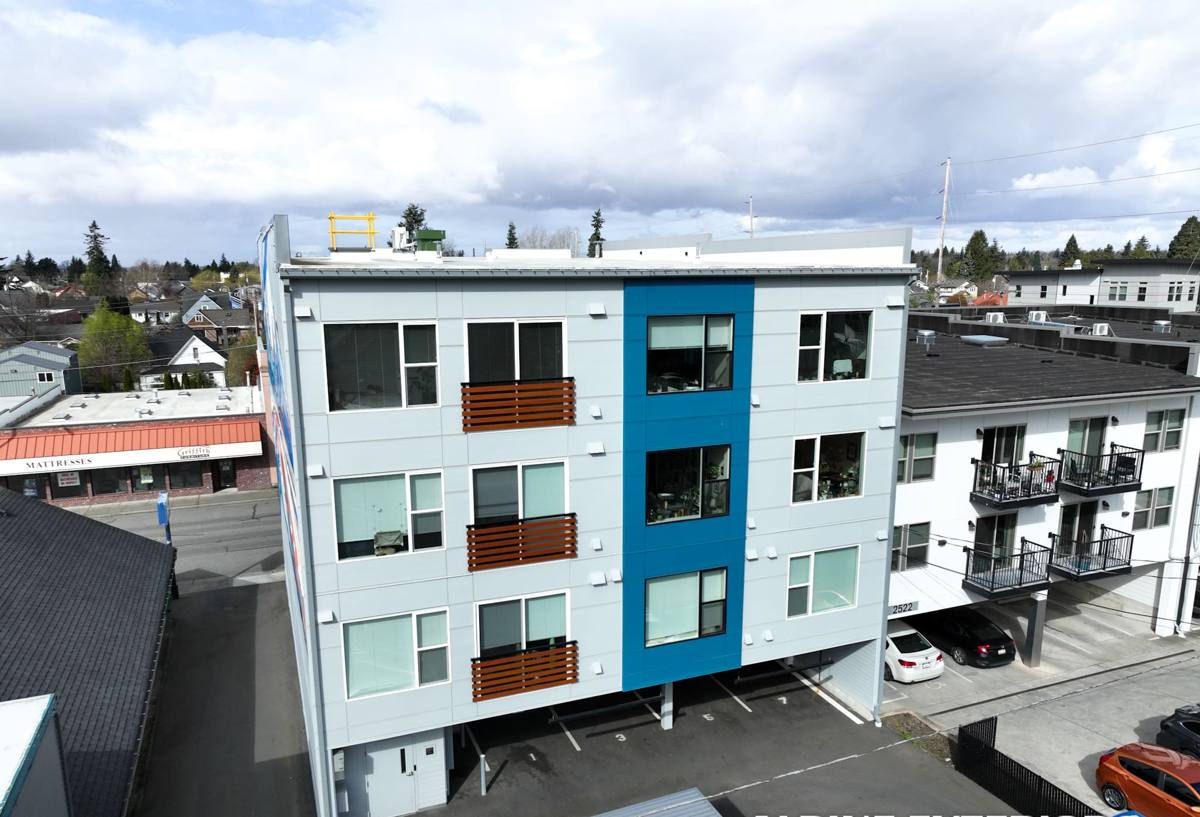
What "Energy-Efficient" Actually Means
The term gets used loosely in this trade, so it's worth being specific. Two numbers matter most on the label every legitimate window carries (the NFRC sticker):
- U-factor — how well the window resists heat loss. Lower is better. For a marine climate like Whatcom County, a good energy-efficient window typically lands well below the older single- or double-pane aluminum units common in homes built before the 1990s.
- SHGC (Solar Heat Gain Coefficient) — how much solar heat passes through the glass. In our climate, moderate SHGC values usually make more sense than the very low numbers you'd want in a hot, sunny region — we don't get enough sun to justify blocking what little solar warmth is available.
Beyond the glass, the frame material and the installation itself account for a large share of a window's real-world performance. A window with excellent lab numbers that's installed with poor flashing or a compressed seal will underperform a modest window installed correctly.
Frame Materials, Compared for This Climate
| Frame Type | Moisture & Salt Air Tolerance | Maintenance | Typical Fit for Alger Homes |
|---|---|---|---|
| Vinyl | Good — won't corrode or rot, handles salt air well | Low | Most common recommendation for straightforward replacements |
| Fiberglass | Very good — dimensionally stable in temperature swings and damp conditions | Low | Worth the upgrade cost on larger openings or south/west exposures |
| Wood-clad | Depends heavily on cladding integrity — once compromised, the wood core is vulnerable to the same moss/moisture issues as bare wood siding | Moderate to high | Only where the look is a priority and upkeep is expected |
| Aluminum | Poor thermal performance, prone to condensation in our humidity | Low | Rarely our recommendation for residential replacements here |
We'll walk through these trade-offs honestly during an estimate rather than push one product line — the right frame depends on the specific opening, its exposure, and your budget.
What a Correct Installation Involves
The window unit itself is maybe half the job. The other half is what happens at the rough opening, and in a climate that gets driving, wind-blown rain, this is where most long-term failures actually start.
The Sequence That Matters
- Remove the old unit and inspect the sill and framing for rot or hidden moisture damage before anything new goes in.
- Install a sloped sill pan so any water that gets past the window has somewhere to go besides the wall cavity.
- Flash the opening in the correct shingle-style order — sill, sides, then head flashing lapping over the sides — so water sheds outward at every layer.
- Set the window plumb, level, and square, then shim and fasten per the manufacturer's specified pattern (skipping this is a common cause of premature seal failure).
- Seal and insulate the gap between frame and rough opening with a product that stays flexible — rigid foam that cracks with seasonal movement is a common source of drafts a few years later.
- Finish exterior trim and caulking with materials rated for continuous damp exposure, not just a general-purpose caulk.
Skip the sill pan, get the flashing lap order backwards, or over-caulk instead of properly flashing, and you end up with a window that looks fine for a year or two before water finds the path of least resistance into the wall.
Common Issues We See in Older Alger-Area Homes
- Condensation between panes on older double-pane units — a sign the seal has failed and the insulating gas has escaped, common once units pass their expected service life in a humid climate.
- Soft or discolored framing around window openings on shaded, moss-prone wall sections, usually from years of retained moisture rather than a single event.
- Drafts around single-pane or early dual-pane aluminum windows, often original to homes built before energy codes tightened — these lose heat fast and are usually the highest-value replacements in a home.
- Sticking or misaligned sashes from wood or vinyl frames that have swelled or warped after repeated wet/dry cycles.
None of these are unusual for the region — they're just what steady rain and salt air do to building materials over time. The fix is rarely "just replace the glass"; it's addressing the frame and the opening at the same time.
Choosing the Right Glass Package
For this climate, we generally steer homeowners toward:
- Dual-pane, Low-E glass with argon fill as the practical baseline for most Alger homes — a solid step up from older glass without triple-pane pricing.
- Triple-pane where noise reduction or an especially exposed north/west wall justifies the added cost and weight.
- Low-E coating tuned for moderate solar gain rather than the aggressive solar-blocking coatings made for sunnier climates — we want to keep what winter sun we do get.
Whichever package you choose, confirm the whole-unit NFRC rating (not just the glass rating in isolation) — the number that accounts for the frame and spacer, not just the center-of-glass performance advertised on a spec sheet.
Our Process
1. On-Site Assessment
We look at every opening individually — exposure, current frame condition, signs of past water intrusion — rather than quoting a flat per-window price sight unseen. Two windows on the same house can need different solutions.
2. Measurement and Product Selection
We measure for an exact fit and walk through frame material and glass package options against your budget, without steering you toward whatever happens to be easiest for us to install.
3. Installation
Full removal, sill pan, correct flashing sequence, and finish work as outlined above — done in a way that holds up to this area's rain, not just to a dry-day inspection.
4. Cleanup and Walkthrough
We clear debris, check operation on every unit, and walk you through anything you should know about maintenance before we consider the job done.
What Drives Cost
| Factor | Why It Matters Here |
|---|---|
| Frame material | Fiberglass and higher-end vinyl cost more upfront but tolerate our moisture and salt exposure with less maintenance |
| Glass package | Triple-pane and specialty coatings add cost; not every wall needs it |
| Opening condition | Hidden rot or water damage found at removal adds repair work before a new window can go in correctly |
| Number and size of openings | Larger units and full-house replacements bring per-window costs down versus one-off jobs |
| Access and site conditions | Second-story or hard-to-reach openings take more time and equipment |
We give straightforward, itemized pricing during the estimate rather than a vague lump sum — you should know what you're paying for and why.
A Homeowner's Pre-Project Checklist
- Note which rooms feel drafty or show condensation, and in which seasons — it helps target the priority openings.
- Check exterior trim and sills for soft wood or peeling paint, common early signs of moisture getting behind the frame.
- Ask any contractor for their specific flashing and sill-pan approach — a vague answer is a red flag in a climate like ours.
- Confirm whether the quote is itemized per window or a flat bundle price, and what's included in each.
- Ask about warranty coverage for both the product (manufacturer) and the labor/installation (contractor) — they're separate and both matter.
- Get the U-factor and SHGC numbers in writing for the specific product quoted, not just a general brand claim.
Why a Crew That Already Works in Alger Matters
Windows aren't a one-size-fits-all product, and this area isn't a one-size-fits-all climate. A crew that regularly works Sudden Valley and the surrounding Whatcom County communities has already seen how salt air, driving rain, and heavy moss cover behave on real houses here — which frame materials actually hold up, which flashing details matter most on exposed walls, and which older construction methods tend to need extra attention at removal. That's not something a crew unfamiliar with the area picks up on the first job. It shows up in fewer surprises during the work and in windows that are still performing well years after installation, not just on the day they're set.
If you're weighing a window replacement or just want an honest read on what your current windows actually need, we're happy to take a look. Reach out for a free, no-pressure estimate using the form below.