 Sudden Valley Window
 Custom Windows Built for Sunnyland's Coastal Climate
Sunnyland sits close enough to Bellingham Bay that its homes take a different kind of weather beating than houses further inland in Whatcom County. Salt-laden air off the water, driving rain that comes in sideways during fall and winter storms, and a moss season that can stretch from October through April all work against ordinary windows. A custom window job here isn't just about picking a style you like — it's about choosing frame materials, glazing, and installation details that hold up to conditions a lot of manufacturers don't design for by default.
We've worked on homes throughout Sudden Valley and the surrounding Whatcom County neighborhoods long enough to know which failure points show up first in this climate, and we build every custom window job around avoiding them rather than fixing them later.
What "Custom" Actually Means for a Window Job
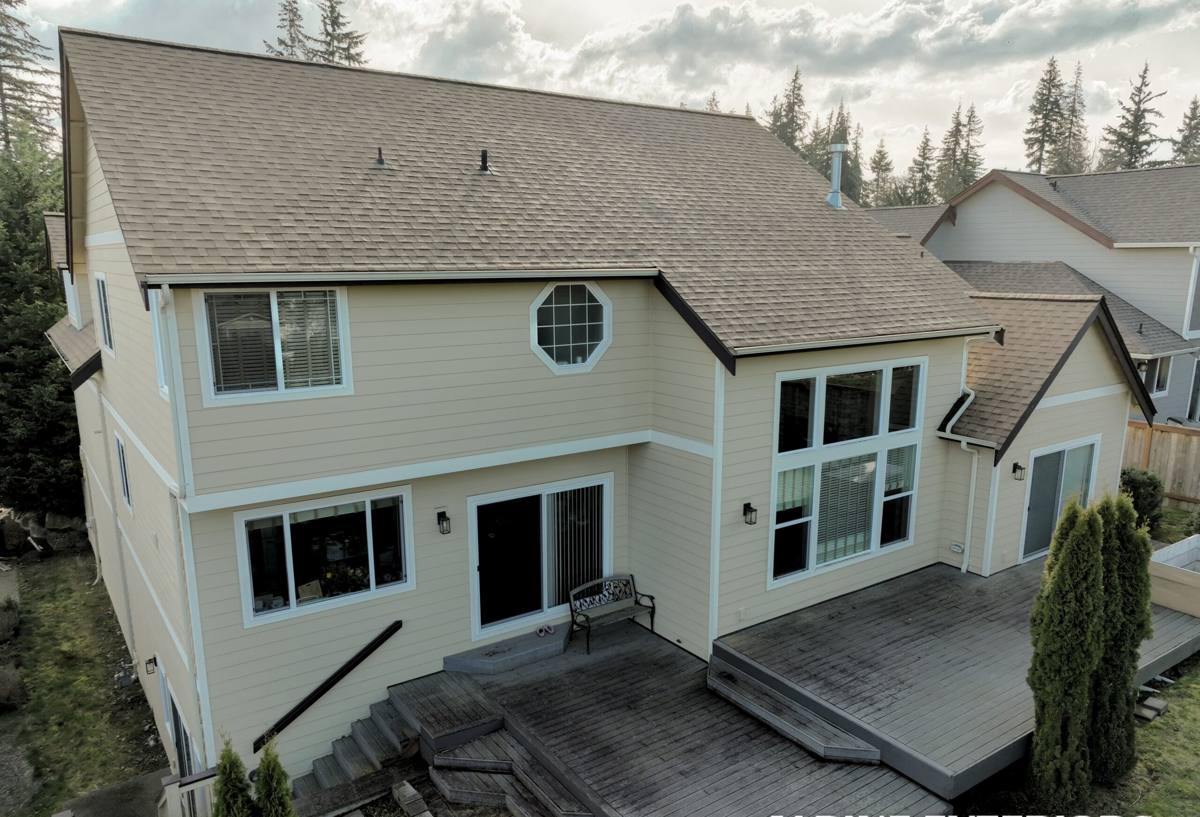
Custom windows aren't a marketing term — they're windows built to the exact opening, style, and performance spec of your house rather than pulled off a shelf in a standard size. That matters in older Sunnyland homes especially, where original openings are frequently out of square after decades of settling, and in newer construction where architectural details call for shapes or sizes standard stock doesn't cover.
When a Custom Order Is the Right Call
- Openings that are out of square, out of level, or non-standard dimensions
- Historic or architecturally distinct homes where matching sightlines and trim profiles matters
- Specialty shapes — arched tops, bays, or large picture windows
- Upgrading glass packages or frame material beyond what a stock replacement offers
- Matching an existing custom window elsewhere on the house
Not every job needs a full custom order — plenty of straightforward replacements use standard sizes and cost less as a result. Part of our estimate process is telling you honestly which category your home falls into instead of upselling a custom order you don't need.
Why the Local Climate Changes the Spec
Salt Air and Corrosion
Proximity to Bellingham Bay means airborne salt settles on exterior surfaces over time, even a few miles inland. Bare or poorly coated aluminum hardware, exposed fasteners, and lower-grade weatherstripping corrode faster here than they would in a dry inland climate. We spec corrosion-resistant hardware and fasteners on every custom order for this reason, not as an upsell but as a baseline standard.
Driving Rain and Water Management
Wind-driven rain doesn't just test whether a window seals — it tests whether the flashing and sill pan around it actually shed water outward instead of letting it wick into the wall assembly. This is where a large share of "window leaks" actually originate: not the window unit itself, but poor flashing detail at installation. We treat flashing and sill pan work as a non-negotiable part of every install, custom or standard.
Moss and Prolonged Moisture Exposure
Whatcom County's long wet season keeps north-facing and shaded exterior surfaces damp for months at a stretch, which is exactly the environment moss and algae need to take hold. On window trim and sills, sustained moisture plus organic growth accelerates wood rot and paint failure. Frame material choice and trim detailing both affect how much maintenance this creates down the road, which we cover below.
Frame Material Comparison for This Climate
| Material | Moisture Behavior | Maintenance | Typical Fit for Sunnyland Homes |
|---|---|---|---|
| Vinyl | Doesn't rot or corrode; won't take paint if color change is wanted later | Low — occasional cleaning | Strong value option for straightforward replacements |
| Fiberglass | Excellent moisture and temperature stability; minimal expansion/contraction | Low | Good fit for larger custom openings and higher wind-driven-rain exposure |
| Wood-clad | Interior wood warmth with an exterior clad shell resisting weather | Moderate — clad exterior still needs sill and joint inspection | Suited to homes prioritizing interior wood look; needs a careful installer |
| Aluminum | Prone to corrosion near salt air unless properly coated | Higher near the water | We use it selectively and only with corrosion-rated hardware and finish |
There's no single "best" material for every house — it depends on your home's exposure, your maintenance appetite, and what look you're after. We'll walk through the honest trade-offs for your specific openings rather than steering you toward one line because it's easier to install.
Glass and Glazing Choices That Matter Here
In a climate with this much sustained rain and moderate winter temperatures, the glazing package does more day-to-day work than most homeowners expect.
- Low-E coatings reduce heat loss through the glass, which matters more here in winter heating months than in summer cooling — Whatcom County's summers are mild.
- Argon or krypton gas fill between panes improves insulation value without changing the window's appearance.
- Warm-edge spacers reduce condensation risk at the glass edge, which is where fogging and seal failure typically start first in a wet, temperature-swinging climate.
- Tempered glass is required by code in certain locations — near doors, low to the floor, in bathrooms — and we verify this during the estimate, not after the order is placed.
Our Process, Start to Finish
1. On-Site Assessment
We look at every opening individually — square, level, existing flashing condition, sill pitch, and signs of prior water intrusion. This is also where we flag any openings that need custom sizing versus standard stock.
2. Honest Scope and Estimate
You get a written estimate that breaks out material, labor, and any structural or flashing repair the openings need. No vague lump-sum numbers you can't evaluate.
3. Precise Measurement and Ordering
Custom units are measured and ordered to the actual opening, not a rounded-off standard size. This is the step where accuracy either saves you a clean install or creates gaps that need shimming and extra sealant later.
4. Removal and Opening Prep
Old windows come out carefully to protect interior and exterior finishes. We inspect the framing underneath for rot or prior water damage before the new unit ever goes in — this is often where hidden problems from years of moisture exposure surface.
5. Installation, Flashing, and Sealing
The window is set, shimmed level and square, flashed to direct water outward and down, and sealed with materials rated for this climate's UV and moisture exposure. This step is where most long-term performance is decided.
6. Final Check and Cleanup
We test operation, check the seal, and clean up the site before we call the job done.
Cost Factors to Understand Before You Get Quotes
| Factor | Why It Moves the Price |
|---|---|
| Standard size vs. true custom | Custom units cost more to manufacture and take longer to arrive |
| Frame material | Vinyl is typically the most economical; fiberglass and wood-clad cost more upfront |
| Glazing package | Upgraded Low-E, gas fill, and specialty glass add cost but improve comfort and durability |
| Full-frame vs. insert replacement | Full-frame replaces down to the studs and costs more but is often necessary when there's rot or the opening needs correcting |
| Number and size of openings | Larger picture windows and bays cost more than standard double-hungs |
| Existing damage found during removal | Rot or water damage discovered behind old trim adds repair scope |
We don't quote a number without seeing the actual openings, because guessing on any of the factors above is how homeowners end up with change orders mid-project.
Signs Your Current Windows Are Already Failing
- Fogging or moisture trapped between panes — a sign the seal has failed
- Visible gaps, drafts, or daylight around the frame
- Soft or discolored wood trim, especially on north-facing or shaded elevations
- Difficulty opening, closing, or locking the window
- Moss or algae buildup on sills that won't wash off with regular cleaning
- Peeling paint or finish on exterior trim near the window frame
Any one of these on its own might just need a repair. Several at once, especially on the same elevation, usually points to a systemic flashing or seal issue worth addressing with replacement rather than another patch.
Simple Maintenance to Extend the Life of New Windows
- Rinse sills and tracks periodically to keep salt residue and organic buildup from accumulating
- Inspect exterior caulking annually, especially after the wet season, and reseal any cracked joints
- Keep gutters and downspouts clear so water isn't sheeting directly across window heads
- Trim back vegetation that keeps a window shaded and damp longer than necessary
- Operate hardware a few times a year even on windows you don't open often, to keep mechanisms from seizing
Why Hiring a Crew That Already Works in Sunnyland Matters
A contractor who's installed windows across Sudden Valley and the surrounding Whatcom County neighborhoods already knows which flashing details fail first in this rainfall pattern, which frame materials hold up against the salt air off the bay, and which older-home openings tend to be out of square before we even measure. That local track record shortens the guesswork on your project and reduces the odds of a callback down the road. We're not learning this climate on your house — we've already learned it on plenty of others nearby.
If you're weighing whether your Sunnyland home needs a repair, a standard replacement, or a true custom order, we're glad to take a look and give you a straight answer. Request a free, no-pressure estimate using the form below and we'll walk your openings with you.