 Sudden Valley Window
 Building Decks That Hold Up in Columbia's Climate
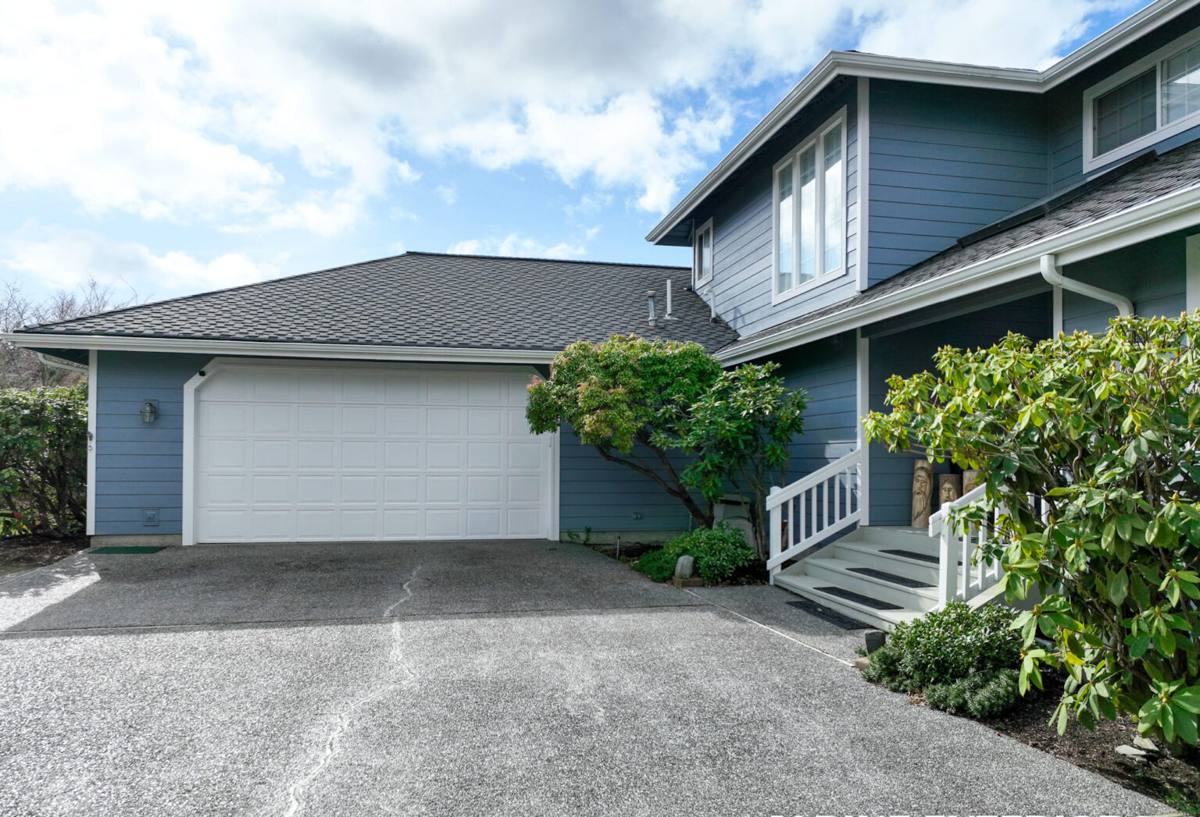
Columbia is a quieter pocket of the Sudden Valley community, tucked among trees near Lake Whatcom, and that setting is exactly what makes deck building here different from a deck job in a dry, open subdivision. Tree cover means more shade, more standing moisture, and a longer moss season than homes get just a few miles away in open sun. Salt-laden air moving in off the Sound, combined with driving rain through the fall and winter, works on fasteners, ledger boards, and footings year-round, not just during a few storm weeks. A deck built here needs to be planned around that reality from the first footing, not patched for it later.
We build and repair decks throughout Whatcom County, and Columbia jobs tend to share the same pattern: homes with mature landscaping, sloped or uneven yards, and decks that either weren't detailed for this climate originally or are due for a rebuild after 15-20 years of moisture exposure. This page covers what a deck actually needs to hold up here, what our process looks like, and what to check before you hire anyone to build one.
What Whatcom County Weather Does to a Deck Over Time
Most deck failures we see aren't dramatic — they're slow. Water finds a way into a joint, doesn't dry out because of shade or poor airflow, and the wood or fastener underneath degrades quietly for years before it shows on the surface.
Moss and Trapped Moisture
Shaded, tree-lined lots like the ones common in Columbia grow moss on decking, stair treads, and railings faster than open, sunny sites. Moss holds water against the wood surface long after a storm has passed, which accelerates rot in cheaper decking and can make painted or stained surfaces dangerously slick.
Driving Rain and Ledger Rot
Wind-driven rain doesn't just fall straight down — it gets pushed sideways into ledger boards, rim joists, and any point where the deck attaches to the house. If that connection wasn't flashed correctly when the deck was built, water works its way behind the siding and into structural framing where you can't see it until there's a soft spot or a sag.
Salt Air and Fastener Corrosion
Even away from the immediate waterfront, the marine air common to this part of Washington accelerates corrosion on lower-grade screws, joist hangers, and bolts. Once a fastener starts rusting, it loses holding strength long before it looks obviously bad from the top.
Choosing the Right Decking Material for This Site
There's no single "best" decking material — the right choice depends on how much sun and shade the site gets, how much upkeep the homeowner wants to do, and budget. Here's how the common options actually compare for a shaded, damp lot like a typical Columbia property.
| Material | How It Handles Moisture/Moss | Maintenance | Typical Lifespan |
|---|---|---|---|
| Pressure-treated lumber | Needs good airflow and drainage; moss and mildew show quickly in shade if not sealed | Re-seal or stain every 1-3 years | 15-20 years with upkeep |
| Cedar | Naturally rot-resistant, but still needs finish maintenance in constant shade | Stain/seal every 2-3 years | 15-25 years |
| Composite decking | Doesn't rot, but can still grow surface mold/moss film in deep shade — needs occasional washing | Periodic cleaning, no sealing/staining | 25-30+ years |
| PVC/capped polymer | Fully moisture-resistant surface; best option for the shadiest, dampest lots | Occasional washing only | 25-30+ years |
For a heavily shaded Columbia lot, we usually steer homeowners toward composite or capped polymer decking on the walking surface, even if the substructure underneath is still framed in pressure-treated lumber. That combination keeps upfront cost reasonable while removing the part of the deck that actually shows moss and wear the fastest.
Framing and Footings: The Part Nobody Sees
The decking boards get all the attention, but the framing underneath is what determines whether a deck lasts 15 years or 30. This matters more on sloped, tree-covered lots, which describes a lot of the terrain around Sudden Valley.
Footings Sized for the Ground, Not a Guess
Whatcom County soils vary block to block, and a footing that's adequate on flat, well-drained ground may not be enough on a slope that holds water longer after rain. We size and dig footings to the actual site and local code requirements, not a one-size-fits-all spec.
Ledger Attachment and Flashing
Where the deck meets the house is the single most common failure point we find on rebuilds. Proper flashing — installed so water sheds away from the house rather than behind the siding — is not optional, and it's the detail most likely to get rushed on a low-bid job.
Fasteners and Hardware
Given the marine air in this region, we use corrosion-resistant, code-rated hardware (hot-dip galvanized or stainless, matched to the decking material) rather than standard hardware store screws that can start rusting within a few seasons.
Railings, Stairs, and Code Requirements
Railings and stairs are where most safety issues and most inspection failures show up, and they're also where a deck takes the most direct weather exposure since they're vertical and fully exposed to driving rain.
- Guardrail height and baluster spacing must meet current Washington building code for the deck's height above grade
- Stair stringers need to be sized for the actual rise and run, not eyeballed — especially on sloped lots
- Railing posts need solid blocking or through-bolting, not just screws into the rim joist
- Any decking used on stair treads should be checked for slip resistance, since shaded treads are the first place moss builds up
- Permits are required for most new decks and many rebuilds in Whatcom County — we pull them as part of the job so the work is inspected and documented
Our Deck Building Process from Estimate to Finish
We keep the process straightforward and try to remove the guesswork for homeowners who haven't been through a deck build before.
1. On-Site Walkthrough
We look at the existing deck (if there is one), the slope and drainage of the yard, sun/shade exposure, and how the deck ties into the house. This is also where we talk through material options honestly, including trade-offs in cost and maintenance.
2. Written Estimate
You get a clear, itemized estimate — materials, labor, permit costs — before any work starts. No surprise change orders for things we should have caught during the walkthrough.
3. Permitting and Scheduling
We handle the permit application and schedule the build around Whatcom County's weather patterns where possible, since footings and framing go faster and more reliably in drier stretches.
4. Demolition and Framing (if replacing an existing deck)
Old framing gets inspected as it comes out — this is often when hidden ledger rot or undersized footings from a prior build get discovered, and we'll flag it before proceeding rather than build over a problem.
5. Decking, Railings, and Finish Work
Surface materials, railings, and stairs go in last, followed by final cleanup and a walkthrough with you before we call the job done.
6. Inspection Sign-Off
Permitted work gets a final inspection, which protects you at resale and confirms the structure meets code — not just that it looks finished.
Maintenance Checklist for Sudden Valley Decks
Whatever material you choose, a little seasonal attention goes a long way in this climate, especially on shaded lots where moss and moisture linger.
- Sweep debris and standing leaves off the deck surface regularly through fall — trapped leaves hold moisture against the boards
- Wash off moss and algae film at least once a year, more often on heavily shaded sections
- Check railing posts and stair connections annually for looseness or soft wood
- Re-stain or reseal wood decking on the schedule appropriate to the product — don't wait until it's visibly gray or cracking
- Look underneath the deck once a year for signs of moisture at the ledger board connection
- Keep gutters and downspouts near the deck clear so roof runoff isn't dumping extra water onto or under the structure
Why Hire a Crew That Already Works in Columbia
A deck built to a generic spec sheet can still fail early if it's not adapted to the actual site — the shade pattern, the slope, the soil, and the way weather moves through this part of Whatcom County. Crews that already work in and around Sudden Valley know which details matter most here: where moss builds up fastest, which ledger connections need extra attention, and which materials actually hold up under this much shade and rain rather than just looking good on a showroom sample. That local pattern-recognition is the difference between a deck that needs attention every year and one that just quietly works.
If you're planning a new deck, replacing one that's showing its age, or just want an honest read on whether an existing deck in Columbia is sound, we're glad to take a look. Request a free, no-pressure estimate using the form below — we'll walk the site, answer your questions directly, and give you a clear picture of your options before you decide anything.