 Sudden Valley Window
 Yew Street's Window Problems Start With the Climate, Not the House
Most homeowners on Yew Street don't call us because they woke up wanting new windows. They call because a window is fogging between the panes, a sash won't latch anymore, or there's a soft spot in the trim that wasn't there last year. In Sudden Valley, those problems usually trace back to the same root cause: this stretch of Whatcom County puts windows through a lot more abuse than a sunbelt install ever sees.
It's not one dramatic storm that does the damage. It's the daily grind of marine-influenced air moving in off the Sound, months of steady rain, and shaded, tree-covered lots that never fully dry out. A window that's a good fit for eastern Washington or the Midwest can still fail early here if it isn't installed with this specific climate in mind.
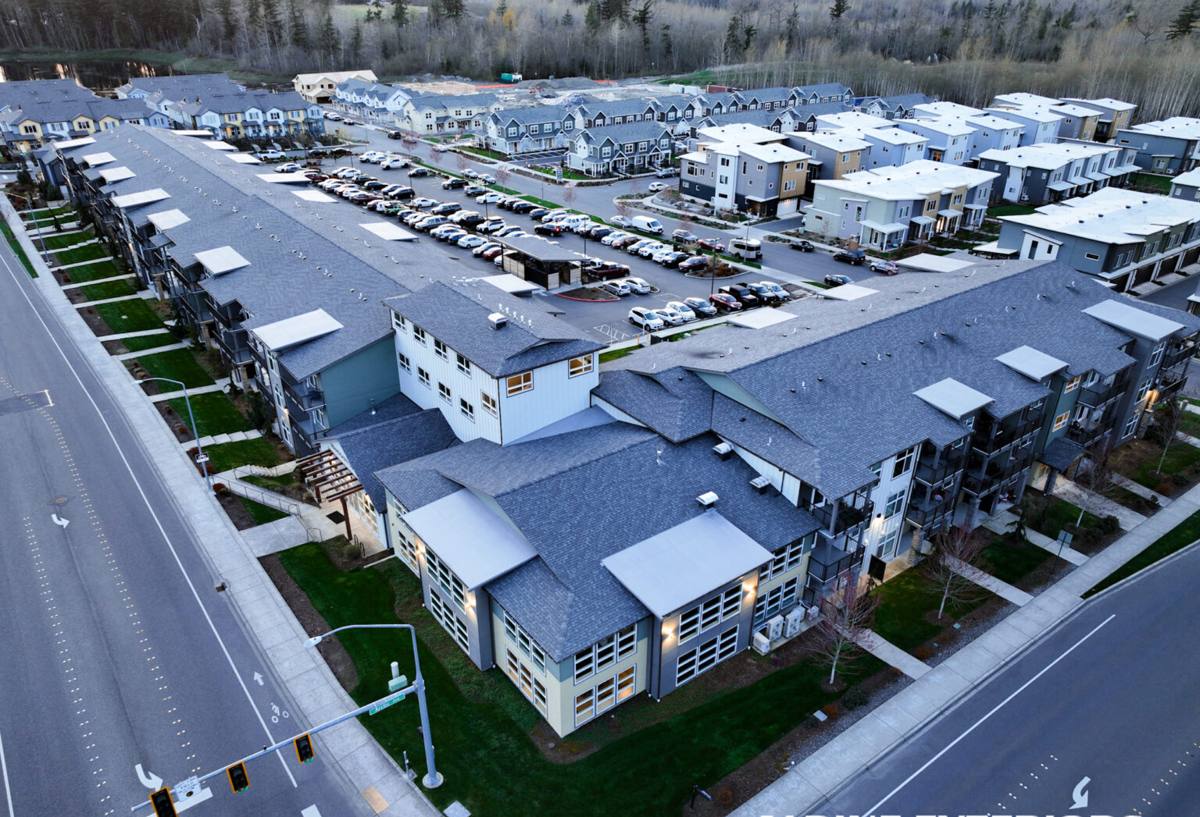
What Salt Air, Driving Rain, and Moss Actually Do to a Window
Each of these local conditions attacks a different part of the window assembly, and they compound each other over time.
Salt-Laden Marine Air
Even homes that aren't waterfront get a steady dose of salt-tinged air moving through this part of Whatcom County. That air accelerates corrosion on hardware, fasteners, and any exposed metal flashing or cladding. Cheap or unprotected hardware pits and seizes years before it should; low-grade fasteners rust and lose their grip in the framing.
Driving, Wind-Driven Rain
Rain here rarely falls straight down. Wind pushes it sideways against west- and south-facing walls, which means it hits window assemblies at an angle and probes for any gap in the flashing or sealant. A window that would stay dry in a calm-rain climate can leak here if the flashing details weren't built for wind-driven water.
A Long Moss Season
Shaded lots, tree cover, and near-constant dampness give moss and algae months to establish themselves on sills, trim, and siding around window openings. Moss holds moisture against wood and paint far longer than open air would, which speeds up rot in trim and sashes that would otherwise last for decades.
None of this means Yew Street is a bad place for windows — it means the installation has to account for water management and material choice a little more carefully than it would somewhere drier.
What a Correct Installation Actually Involves
Window installation looks simple from the outside: old window out, new window in. The part that determines whether it lasts fifteen years or forty happens in the details most homeowners never see.
Tear-Out and Opening Inspection
Before anything new goes in, we pull the old unit and look at the rough opening itself — the framing, the sill, and any existing flashing or house wrap. This is where we find the problems that caused the old window to fail in the first place, whether that's soft framing from long-term moisture intrusion or flashing that was never installed correctly. Replacing the window without fixing the opening just repeats the failure on a delay.
Flashing and Weatherproofing Details
This is the single most important part of the job in a climate like this one. Flashing has to be layered correctly — sill pan first, then side flashing, then head flashing — so that any water that does get past the window sheds downward and out, never sideways into the wall cavity. Given how much wind-driven rain this area sees, we don't treat flashing as optional or "good enough" work.
Sealing, Insulating, and Finishing
Low-expansion foam or appropriate insulation around the frame closes air gaps without bowing the frame out of square. Exterior sealant beads get tooled properly instead of just smeared on, because a sloppy bead fails at the exact seams where water pressure is highest during a storm. Interior and exterior trim gets refinished or replaced as needed so the whole assembly looks and performs like one unit, not a patch job.
Matching the Window to This Microclimate
Not every window product handles salt air, rain, and moss equally well. Frame material matters as much as brand name. Here's how the common options compare for a Sudden Valley install, based on how they actually behave in wet, marine-influenced conditions rather than on a spec sheet.
| Frame Material | Moisture Behavior | Maintenance Here | Typical Lifespan Locally |
|---|---|---|---|
| Vinyl | Doesn't rot or corrode; performs consistently in damp conditions | Occasional cleaning; no painting or sealing needed | 20-30+ years with a correct install |
| Fiberglass | Very stable in temperature and moisture swings; resists warping | Low; holds paint well if a color change is wanted later | 30+ years |
| Aluminum | Conducts cold and can corrode over time in salt-influenced air without quality coatings | Moderate; watch fasteners and finish for pitting | Variable; heavily dependent on coating quality |
| Wood / Wood-Clad | Attractive but vulnerable where cladding is breached or caulk joints fail | Higher; needs regular inspection and refinishing of exposed wood | Can be long-lived, but demands upkeep in this climate |
We're not against wood or aluminum windows on principle — they have real advantages in appearance and in certain architectural styles. But we're upfront with Yew Street homeowners about the added maintenance burden those materials carry in a climate with this much sustained moisture and salt exposure, so the choice is made with full information, not surprises five years in.
How We Run a Yew Street Job, Start to Finish
- Walkthrough and assessment — we look at each opening, note existing damage, sun and wind exposure, and drainage around the foundation and siding.
- Written estimate — clear scope, product options, and pricing before any work starts, no surprise add-ons buried in fine print.
- Scheduling around weather — we plan install days to minimize how long any opening sits exposed, which matters more here than in a drier climate.
- Tear-out and opening repair — any rot or compromised framing found during removal gets addressed before the new unit goes in, not after.
- Installation and flashing — set, shim, flash, and seal to shed water outward, with attention to the wind-driven rain patterns typical of this area.
- Interior and exterior finish — trim, caulking, and touch-up so the job reads as finished, not patched.
- Final walkthrough — we check operation, seals, and finish work with the homeowner before calling it done.
Why a Crew That Already Works This Neighborhood Matters
Sudden Valley has a lot of lots with mature tree cover, sloped access, and homes built across several different eras and construction styles. A crew that's already worked jobs on and around Yew Street isn't guessing at how a given house was likely framed or where water tends to collect on a shaded, tree-lined lot — they've seen the pattern before and know what to check first.
That familiarity also shows up in smaller, practical ways: knowing which openings on these lots tend to face the worst of the wind-driven rain, planning around the tighter driveway and staging conditions common on wooded properties, and understanding how much moss and organic buildup to expect on trim during inspection. None of that replaces good installation technique, but it does mean fewer surprises and a more accurate estimate from the start.
Signs Your Windows Are Telling You It's Time
- Fogging or a visible film between the panes of a double-pane window (seal failure)
- Soft, spongy, or discolored trim or sill wood around the frame
- Drafts you can feel near the frame even with the window fully latched
- Difficulty opening, closing, or locking that's gotten noticeably worse over a year or two
- Visible moss, black staining, or persistent damp patches on the exterior trim
- Rising energy bills without another clear explanation
Any one of these on its own might just mean a repair. Two or three together, especially on an older window, usually means replacement is the more cost-effective path.
Living With New Windows in This Climate
A correct installation dramatically reduces maintenance, but it doesn't eliminate the climate. A little seasonal attention keeps new windows performing the way they should for their full lifespan.
Rinse moss and algae off sills and trim before it builds up into a thick mat — a soft brush and plain water is usually enough if it's done regularly. Check exterior caulk lines once a year, since even good sealant eventually needs a touch-up in a climate this wet. Keep gutters and downspouts clear so water isn't sheeting down the wall face above a window opening. None of this is complicated, but skipping it is how a well-installed window ends up with an avoidable problem a decade early.
If your windows on Yew Street are drafty, fogged, or just tired of fighting Whatcom County's weather, we're happy to take a look and give you a straightforward, no-pressure estimate — just fill out the form below.