 Sudden Valley Window
 Roofing on Yew Street Isn't a Generic Job
If you own a home on or near Yew Street in Sudden Valley, you already know the roof over your head works harder than a roof in a dry climate ever would. Whatcom County sits in a marine climate belt — moist air moves through the valley for most of the year, driving rain comes in sideways during fall and winter storms, and the tree cover that makes this area beautiful also means shade, debris, and a moss season that can stretch from October well into spring. None of that is unique to any one street, but it adds up differently depending on a roof's pitch, orientation, and age, and after years of working on homes throughout Sudden Valley we've seen how consistently those factors show up on Yew Street specifically.
This page is about one job, done right, in one place: asphalt shingle roofing for homes on Yew Street. Not a national overview of roofing materials — a straight explanation of what a shingle roof needs to survive here, what a correct installation actually involves, and how we approach it.
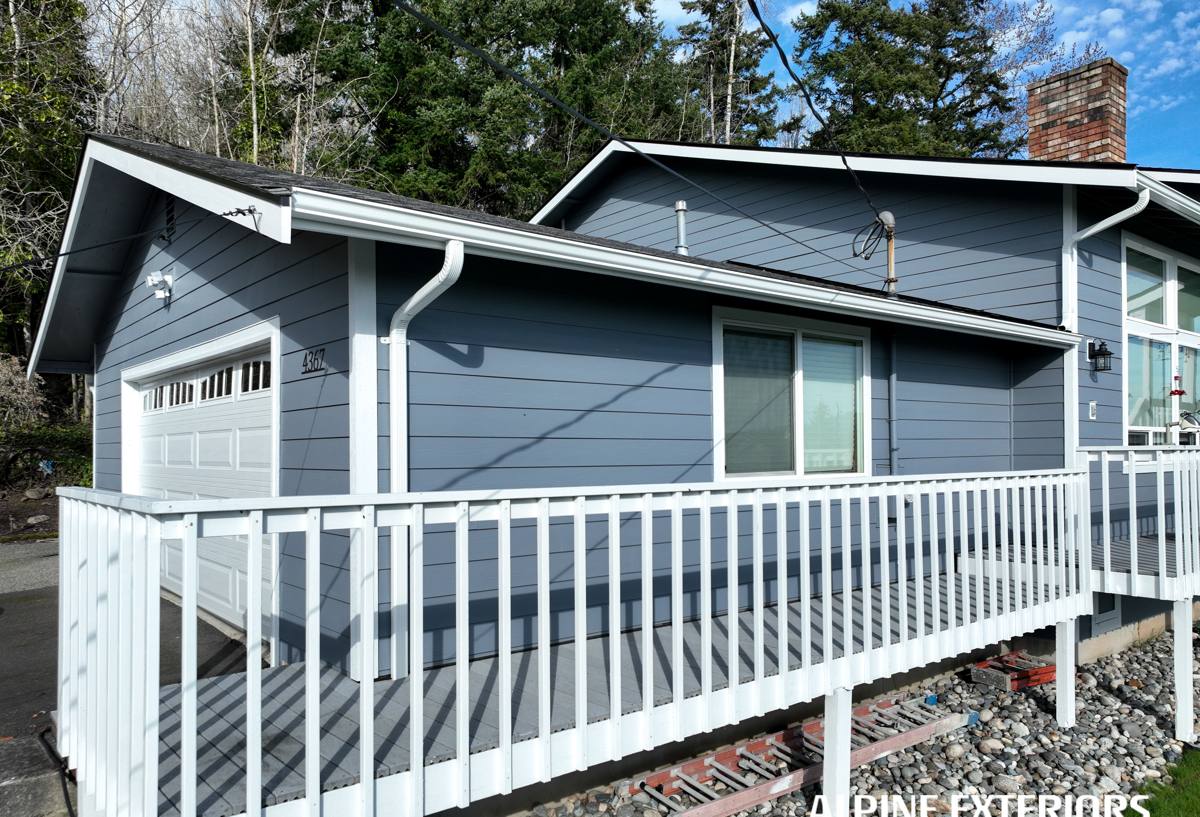
What This Climate Actually Does to a Shingle Roof
Asphalt shingles are a proven, cost-effective roofing material almost everywhere in the country, but their weak points are moisture and biological growth — and this region hits both. A few specific mechanisms are worth understanding before you make any decisions about your roof.
Moss and Algae Growth
Shade, humidity, and organic debris (needles, leaves, seed pods) create ideal conditions for moss and algae on north-facing slopes and anywhere tree cover blocks direct sun. Moss doesn't just look bad — its root structure lifts shingle edges and holds moisture against the roof deck, which is how a cosmetic problem turns into a rot problem.
Driving Rain and Wind-Driven Water
Storms off the water don't always fall straight down. Wind-driven rain finds its way under improperly lapped shingles, around poorly sealed flashing, and through nail holes that weren't sealed correctly the first time. A roof that would perform fine in a calmer climate can leak here if the installation cut corners on underlayment or flashing.
Freeze-Thaw and Temperature Swings
Whatcom County doesn't see extreme cold for long stretches, but the freeze-thaw cycles that do happen stress shingles and any trapped moisture in the roof assembly, accelerating wear at seams and fastener points.
What a Correct Asphalt Shingle Roof Needs Here
Given all of that, a shingle roof built for a Yew Street home needs a few things a generic install in a drier climate might skip:
- Ice-and-water shield at eaves and valleys — a self-adhering waterproof membrane in the areas most exposed to backed-up water and wind-driven rain, not just felt paper.
- Proper attic and ridge ventilation — balanced intake and exhaust airflow keeps the underside of the roof deck dry and reduces the condensation that feeds rot from the inside out.
- Algae-resistant (AR) shingles — granules treated to resist the algae that causes dark streaking, which is common on shaded and north-facing roofs in this climate.
- Correctly lapped and sealed flashing — around chimneys, skylights, and roof-to-wall transitions, where the majority of real leaks originate.
- A nailing pattern that matches manufacturer specs — under-driven or over-driven nails are a leading cause of premature shingle failure in windy, wet climates.
Choosing the Right Shingle for This Climate
Not every asphalt shingle product performs the same way once it's exposed to years of Pacific Northwest weather. Here's how the common options compare for a Sudden Valley application:
| Shingle Type | Typical Lifespan (climate-adjusted) | Moss/Algae Resistance | Best Fit |
|---|---|---|---|
| 3-tab asphalt | Shorter end of the range; wears faster under constant moisture | Low unless AR-treated | Budget-driven projects, secondary structures |
| Architectural (laminate) asphalt | Longer than 3-tab; thicker profile sheds water better | Moderate to good, especially with AR granules | Most Yew Street homes — the standard recommendation |
| Premium/designer asphalt | Longest asphalt option; heavier mat and higher wind ratings | Good with AR treatment | Exposed or heavily shaded lots, steep-slope homes |
For most homes in this area, we point people toward a mid-to-upper-tier architectural shingle with algae-resistant granules. It's a reasonable middle ground between upfront cost and how well the roof actually holds up against moss, streaking, and driving rain over time.
What Our Process Looks Like on a Yew Street Job
Assessment and Estimate
We start with a full roof inspection — deck condition, existing ventilation, flashing points, and how much moss or granule loss is already present. You get a written estimate that breaks down material, labor, and any deck repair contingencies before any work starts.
Tear-Off and Deck Inspection
We remove the old roofing down to the deck rather than layering over it. This is the only way to actually inspect the sheathing for soft spots or rot, which is common on older roofs in this climate where moisture has been sitting under moss for years without anyone knowing.
Underlayment, Flashing, and Ice-and-Water Membrane
New synthetic underlayment goes down across the full roof, with self-adhering ice-and-water membrane at eaves, valleys, and any low-slope transitions. All flashing — chimney, wall, vent boots — is replaced or resealed, not just reused.
Shingle Installation
Shingles go on to manufacturer nailing specs, with proper offset and exposure to shed wind-driven rain correctly. Ridge vents are installed or verified to keep attic airflow balanced.
Cleanup and Walkthrough
Magnetic sweep for nails, full site cleanup, and a walkthrough where we show you the finished work and explain any maintenance points specific to your roof's shape and shade exposure.
What Drives the Cost of a Roofing Job in This Area
We don't publish flat prices because every roof is different, but these are the factors that actually move the number on a Yew Street estimate:
| Factor | Why It Matters |
|---|---|
| Roof pitch and complexity | Steeper slopes and multiple valleys or dormers take longer and require more safety setup and material for waste and cuts. |
| Number of existing layers | Tear-off of multiple old layers adds labor and disposal cost versus a single-layer removal. |
| Deck condition | Rotted or soft sheathing found during tear-off needs to be replaced before new roofing goes on — this is the most common source of a change order. |
| Access and tree cover | Limited driveway access or heavy tree canopy can slow staging and material delivery, which is common on wooded Sudden Valley lots. |
| Shingle tier selected | 3-tab, architectural, and premium products carry different material costs and warranty terms. |
Living With Your Roof After Installation
A correctly installed shingle roof in this climate still needs basic upkeep to hit its full lifespan. A few habits go a long way:
- Keep gutters clear so water isn't backing up under the shingle edge, especially heading into the wet months.
- Have moss treated or gently removed before it establishes root growth — waiting until it's thick makes removal riskier for the shingles underneath.
- Trim back branches that overhang the roof to reduce shade, debris buildup, and physical abrasion during windstorms.
- After any major windstorm, do a visual check (from the ground, or ask us) for lifted or missing shingles rather than waiting for a leak to show up inside.
- Schedule a roof check every couple of years even with no visible problems — small flashing or granule issues are far cheaper to fix early.
Why It Matters That We Already Work This Area
A roofing crew that only shows up in Sudden Valley once doesn't build the same instinct for how homes here actually perform. Knowing which slopes tend to hold moss, which lots get heavier shade and debris, and how driving rain off the water typically finds its way into a poorly flashed valley isn't something you get from a single job — it comes from doing this work in this specific climate, on this specific terrain, repeatedly. That local pattern recognition shows up in small decisions during a job: where we add extra underlayment even if it's not strictly required, how we detail a valley on a shaded north slope, and what we flag during an inspection that a crew unfamiliar with the area might miss entirely.
If your property sits within a homeowners association, it's also worth checking your association's guidelines on roofing materials and color before finalizing a shingle choice — we're happy to work within whatever those requirements are, but it's better to confirm early than after material is ordered.
Ready for a Straight Answer on Your Roof
If you're dealing with visible moss, dark streaking, missing granules, or you just want an honest read on how much life is left in your current roof, we're glad to take a look. Reach out for a free, no-pressure estimate — the form below gets you started.