 Sudden Valley Window
 Why Acme Homes Need a Different Approach to Custom Windows
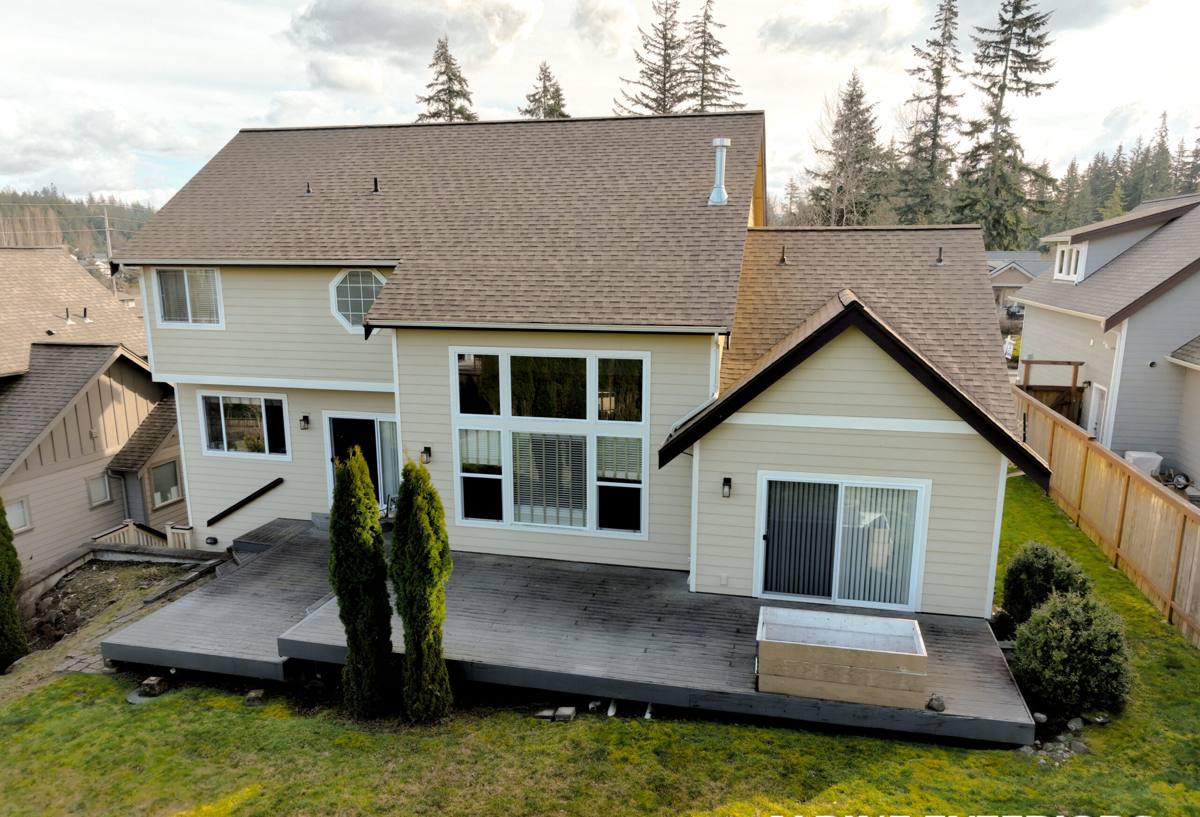
Acme sits in the wooded, rain-heavy stretch of Whatcom County east of Bellingham, close enough to Sudden Valley and Lake Whatcom to share the same weather pattern: long wet winters, heavy tree cover, and marine-influenced air that pushes moisture into every gap it can find. That combination is hard on windows in ways that don't show up right away. Wood trim under tree canopy stays damp longer than it does in open, sunnier neighborhoods. Moss gets a foothold on north-facing sills and sashes within a season or two if a window isn't detailed correctly. Driving rain off the foothills tends to come in at an angle, which means flashing and sealant quality matter more here than they would on a home in a drier part of the state.
"Custom" windows for a home in Acme isn't about fancy shapes or upgraded hardware for its own sake. It's about matching the window unit, the frame material, and the installation detailing to a house that's going to sit under wet, mossy conditions for months at a stretch, year after year. A window that's fine in a dry climate can fail early here if it's the wrong material or installed without the right moisture management.
What "Custom" Actually Means for This Job
Very few homes in this area have perfectly standard, off-the-shelf window openings — especially older homes and homes that have settled or been added onto over the years. Custom windows means the units are built to the actual rough opening, not the other way around. That matters for three reasons:
- A tight, correctly-sized unit needs less shimming and less field-applied sealant, which means fewer failure points down the road.
- Odd or out-of-square openings — common in older Acme homes — get properly accounted for instead of forced to fit.
- Style and sightlines can be matched to the house, which matters for resale and curb appeal, not just performance.
Matching the Home, Not Just the Opening
We look at grille pattern, sash proportions, and trim profile so new windows read as part of the house rather than an obvious retrofit. On older homes in wooded settings, that often means keeping proportions closer to the original rather than defaulting to whatever's cheapest to stock.
Sizing for Real-World Openings
We field-measure every opening before ordering — never off blueprints or a previous listing — because settling, past remodels, and moisture-related wood movement are common enough here that assumptions cause problems later.
Frame Materials That Actually Hold Up Here
The frame material decision matters more in a wet, tree-covered climate than in most parts of the country. We steer homeowners toward materials that handle sustained moisture exposure without a heavy maintenance burden, and we're upfront about the trade-offs of each option rather than pushing one product line.
| Material | How It Handles Local Moisture | Maintenance | Typical Fit |
|---|---|---|---|
| Vinyl | Won't rot or absorb water; performs consistently in wet, shaded areas | Low — occasional cleaning | Most homes, best value |
| Fiberglass | Very stable in temperature and moisture swings; holds paint well if color-matching trim | Low to moderate | Homes needing a specific finish or higher-end look |
| Wood-clad | Interior wood warmth with an exterior cladding shielding it from rain; cladding integrity is critical | Moderate — depends on cladding condition | Homes prioritizing interior wood trim |
| Solid wood | Requires diligent upkeep in a climate this wet; we're honest that it's a harder sell in shaded, mossy settings | High | Historic-accuracy projects only, with eyes open on upkeep |
We don't install solid wood exteriors in heavily shaded Acme lots without a clear conversation first — not because the material is bad, but because a north-facing wall under fir or cedar canopy stays damp long enough that even well-finished wood needs more attention than most homeowners want to sign up for. That's a maintenance-burden judgment call on our part, not a knock on the product.
What a Correct Installation Actually Involves
The window unit itself is maybe half the job. The other half — the part that determines whether the install still looks and performs well in ten years — is what happens at the opening before and during install.
Removal and Opening Prep
Old sealant, damaged sill material, and any soft or rotted framing get addressed before a new window goes in. Installing a good window into a compromised opening just hides the problem for a while.
Flashing and Water Management
Given how much driving rain this area sees, proper flashing sequencing — building paper or house wrap lapped correctly with sill pan flashing and head flashing — is non-negotiable. This is the single most common thing we find missing or done wrong on older installs we're asked to fix.
Sealing and Insulation
Low-expansion foam or proper backer rod and sealant around the frame, not just a bead of caulk at the trim line. Gaps here are where drafts and, eventually, moisture and moss get started.
Interior and Exterior Finish
Trim gets reset cleanly, and exterior caulking is finished with a product rated for sustained wet exposure rather than a general-purpose sealant that hardens and cracks after one or two wet seasons.
Our Process, Start to Finish
- On-site assessment: We walk the home, check existing window condition, note problem areas (moss buildup, soft trim, drafts), and talk through material and style options.
- Field measurement and ordering: Every opening is measured directly — not estimated — before anything is ordered.
- Install day: Old units removed, openings inspected and repaired if needed, new units set, flashed, insulated, and sealed.
- Walkthrough: We go over each window with the homeowner — operation, locks, and any care notes specific to the material chosen.
Problems We Commonly Find and Fix in This Area
A lot of our Acme-area calls aren't for brand-new construction — they're for correcting or replacing windows that were installed without accounting for the local climate.
- Moss and algae staining on sills and lower sashes from shaded, slow-drying surfaces.
- Soft or spongy trim where flashing was skipped or sealant failed years ago and water's been getting behind the frame.
- Persistent drafts from gaps that were never properly insulated at install.
- Interior condensation and fogging between panes, a sign the seal on an older insulated glass unit has failed.
- Sticking or swelling sashes on wood windows that have taken on moisture over multiple wet seasons.
A Simple Homeowner Checklist
- Check for green or black staining on sills and lower corners each fall.
- Press gently on exterior trim near the window — softness means moisture is getting in.
- Watch for fogging between panes, which means the seal has failed and isn't repairable.
- Feel for drafts along the frame edge on a windy day.
- Clear moss and debris from sills and tracks before it compounds each winter.
Cost Factors Homeowners Should Expect
Every home is different, so we won't quote a number without seeing the openings, but these are the main factors that move the price of a custom window project up or down:
| Factor | Why It Affects Cost |
|---|---|
| Number and size of openings | Larger and more numerous units mean more material and labor |
| Frame material chosen | Vinyl, fiberglass, and wood-clad carry different material costs |
| Opening condition | Rot or structural repair at the opening adds labor before the window goes in |
| Glass package | Double- vs. triple-pane, and any coatings, change unit cost |
| Access and site conditions | Second-story or hard-to-reach openings take more time and equipment |
| Trim and finish detail | Custom trim matching or historic profiles add labor |
Why It Matters to Hire a Crew That Already Works in Acme
A crew that only occasionally works this far into Whatcom County's foothill terrain doesn't always know which details actually matter here — how much lap is needed on flashing given the rain patterns, which materials genuinely hold up under shaded, mossy conditions versus which ones just look good on a spec sheet, or how older homes in this specific area tend to be framed. A crew that regularly works in and around Acme and Sudden Valley has already seen what fails and why, and builds the fix into the install the first time instead of learning it on your house.
We also know this climate doesn't forgive shortcuts. A window that's slightly under-flashed might look fine for a year or two before a homeowner notices soft trim or a musty smell near the sill. By then it's a repair job, not a five-minute fix. Doing it right the first time — correct flashing, correct sealant, correct material for the exposure — costs less over the life of the window than doing it twice.
Get a Straight Answer for Your Home
If you're dealing with drafty, moss-stained, or fogged-up windows in Acme, or you're planning ahead for a remodel, we're happy to take a look and give you an honest read on what your home actually needs — no pressure, no upsell. Use the form below to request a free estimate.