 Sudden Valley Window
 Building Decks in Happy Valley: What This Climate Actually Demands
Happy Valley sits in the same corner of Whatcom County as Sudden Valley, and it shares the same exterior challenges: salt-tinged marine air, driving rain that comes sideways as often as it comes straight down, and a moss season that runs longer here than almost anywhere else in the state. A deck in this area isn't just outdoor furniture — it's a structure that sits exposed to weather twelve months a year, tied directly into the house at the ledger board, and standing on footings that have to deal with wet, often uneven ground. We build and repair decks throughout Happy Valley and the surrounding Sudden Valley area, and the way we frame, flash, and finish a deck here is shaped directly by what this specific climate does to wood, hardware, and connections over time.
This page isn't a generic deck-building overview. It's specific to what a deck needs to survive and perform in Happy Valley's conditions, what a correctly built one actually involves, and why local build experience matters more here than a lot of homeowners assume until something goes wrong.
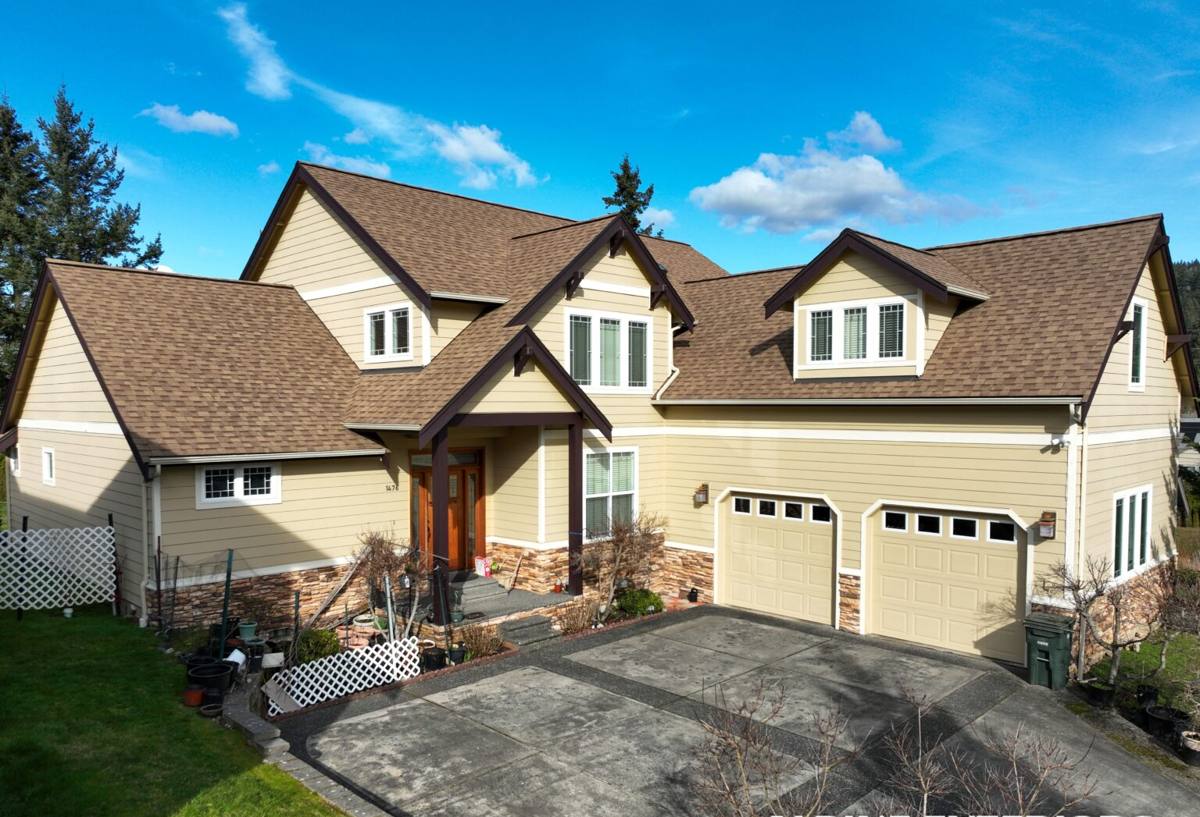
What Whatcom County's Climate Does to a Deck
Driving Rain and Ledger Board Rot
The single most common failure point on older decks in this climate isn't the decking boards — it's the ledger board, the piece that bolts the deck to the house and carries a large share of the structure's load. When rain drives against a house at an angle, which happens often here, water finds its way behind poorly flashed ledger connections and sits there, hidden, for years. By the time it shows up as soft siding or a spongy deck near the house, the framing underneath is often already compromised. This is the detail that separates a deck built to last from one that quietly fails from the inside.
A Long Moss and Mildew Season
Shade, humidity, and mild temperatures keep moss and mildew active for most of the year in this part of Whatcom County, and a deck surface — especially one under tree cover — collects and holds moisture the same way a shaded roof does. Beyond the cosmetic issue, moss and algae growth on decking makes the surface slick, which is a real safety concern on stairs and near steps. Materials and finishes that don't shed water well will need attention far more often here than they would in a drier climate.
Salt Air and Hardware Corrosion
Whatcom County's marine-influenced air carries enough salt to accelerate corrosion on fasteners, brackets, and other hardware that isn't rated for it. On an older deck, this often shows up first as rust streaking down the decking boards from screw heads or joist hangers, long before the wood itself shows serious wear. Hardware selection matters as much as lumber selection in this environment, and it's one of the details that's easy to cut corners on because it's invisible once the deck is finished.
What a Correctly Built Deck Requires Here
Footings Sized for Wet, Variable Ground
Footings need to be sized and set to the frost depth and bearing requirements for the local soil, and Happy Valley's terrain — like much of Sudden Valley — tends to be sloped, wooded, and inconsistent from one part of a lot to another. Footings poured without accounting for drainage or soil variability are one of the more common causes of a deck that starts to shift, settle unevenly, or develop bounce within a few years.
Ledger Flashing Done Right
A correctly flashed ledger board uses proper metal flashing integrated with the house's existing water management — not just a bead of caulk and a hope that it holds. This is the single detail we spend the most time getting right on every deck we attach to a house, because it's also the detail that's completely hidden once the project is finished. If it's wrong, nobody finds out until there's a problem.
Fasteners and Hardware Rated for This Environment
Given the salt content in the air here, we use fasteners and structural hardware rated for corrosion resistance appropriate to coastal and marine-influenced conditions — not the minimum-grade hardware that's fine in a dry inland climate but starts rusting within a few seasons here. This applies to joist hangers, structural screws, post bases, and any hidden fastening systems used with composite decking.
Drainage Behind and Under the Deck
Water needs somewhere to go once it hits the deck surface and the structure beneath it. That means proper board spacing for wood decking, correctly installed under-deck drainage systems where a dry space below is wanted, and grading around footings so water moves away from the structure rather than pooling against it. Skipping this is one of the fastest ways to shorten a deck's usable life in a climate that gets this much rain.
Choosing a Decking Material for Happy Valley Conditions
There's no single "best" decking material — the right choice depends on budget, how much upkeep you're willing to do, and how the deck will be used. Here's an honest comparison based on how each material actually performs in this climate, not marketing claims.
| Material | Typical Lifespan Here | Maintenance Needs | Moss/Mildew Behavior | Relative Cost |
|---|---|---|---|---|
| Pressure-treated lumber | 10–15 years | Annual cleaning and periodic sealing/staining | Absorbs moisture; needs regular cleaning to prevent surface growth | Lowest upfront |
| Cedar | 15–20 years with upkeep | Regular sealing; more sensitive to neglect | Naturally rot-resistant but still holds moss without maintenance | Mid-range |
| Capped composite | 25–30+ years | Occasional washing; no staining or sealing | Sheds moisture well; surface texture affects how easily moss gets a foothold | Higher upfront |
| PVC decking | 25–30+ years | Occasional washing; no staining or sealing | Fully synthetic; doesn't absorb moisture, so moss has little to attach to | Highest upfront |
Pressure-treated lumber is a legitimate option for homeowners who don't mind the yearly maintenance and want the lowest upfront cost. Cedar looks better longer if it's maintained, but it demands more attention than most homeowners actually give it once the newness wears off. Capped composite and PVC cost more initially but largely remove the moss, staining, and re-sealing cycle that this climate makes so demanding on wood — which is why we see a lot of Happy Valley homeowners move toward one of those two once they've lived through a few wet seasons with a wood deck.
Permits, Code, and Local Requirements
Most decks above a certain size or height off grade require a building permit and inspection, and guardrail height, baluster spacing, and stair geometry are all governed by code rather than personal preference. Requirements vary by exact height, footprint, and jurisdiction, so we confirm what applies to your specific property before design work starts rather than assuming. If your property in Sudden Valley or Happy Valley falls under an HOA, there may also be design or material guidelines to work within, and we check that as part of planning so there are no surprises after the deck is built.
How We Build a Deck From Start to Finish
- Site visit and design: We walk the property, look at slope, drainage, sun and shade exposure, and how the deck will connect to the house, then design around what the site actually needs.
- Permit and engineering: We handle the permit application and any required structural details before any digging starts.
- Demolition, if replacing an old deck: Removal of the old structure, with an honest look at what condition the ledger connection and any framing underneath is actually in.
- Footings and framing: Footings set to proper depth and bearing, ledger flashed correctly, and framing built to span and load requirements — not the minimum that will pass inspection.
- Decking, railing, and stairs: Installed per the manufacturer's specifications for whichever material is chosen, with fasteners and hardware appropriate to this climate.
- Final walkthrough and inspection: We review the finished deck with you and make sure it passes final inspection before calling the job done.
What a Homeowner Should Ask For in Writing
- A written scope that specifies footing depth and ledger flashing method, not just "framing and decking"
- The specific hardware and fastener grade being used, given the salt air in this area
- Whether the permit and inspection process is included or handled separately
- A clear material spec sheet if composite or PVC decking is being installed
- A realistic maintenance expectation for whichever material you choose, before you commit to it
Keeping a Happy Valley Deck Ahead of Moss and Rot
However well a deck is built, this climate rewards homeowners who stay ahead of maintenance rather than reacting after a problem shows up. A short seasonal routine goes a long way here.
- Sweep leaves and debris off the deck surface regularly, especially in fall — trapped organic material is what feeds moss and holds moisture against the boards
- Check the ledger area and any spots where the deck meets the house at least once a year for staining, soft spots, or gaps in flashing or caulking
- Clean wood decking with an appropriate cleaner before moss gets established, rather than after it's already a slip hazard
- Re-seal or re-stain wood decking on the schedule the product actually requires in a wet climate, which is usually more often than the label suggests for a drier region
- Inspect fasteners and visible hardware periodically for rust streaking, which is an early sign that corrosion-resistant hardware wasn't used or is starting to fail
- Confirm drainage paths around footings and under the deck stay clear, especially after major storms
Why a Crew That Already Works Happy Valley Matters
A deck built without accounting for this area's rain patterns, salt air, and long moss season will show it within a few years, even if it looks fine on the day it's finished. Having built and maintained decks throughout Happy Valley and the broader Sudden Valley area, we've seen which ledger details fail here, which hardware holds up and which starts rusting within a couple of seasons, and how the local terrain and drainage patterns actually behave once a structure is sitting on them through a wet winter. That's the kind of judgment that comes from repeated, local experience — not from a generic build spec that would work fine somewhere with a milder or drier climate.
We're also familiar with what local permitting and any applicable HOA requirements look like for this area, which keeps the project from stalling on paperwork that a crew unfamiliar with the area might not anticipate. For a structure that's going to sit outside, exposed to this climate, for decades, that local familiarity isn't a nice-to-have — it's the difference between a deck that needs real repair work in ten years and one that doesn't.
If you're planning a new deck or need an honest look at an existing one in Happy Valley or Sudden Valley, we're happy to come take a look and walk you through your options. Use the form below to request a free, no-pressure estimate.