 Sudden Valley Window
 Building Decks That Can Take Whatcom County Weather
A deck in the Barkley area doesn't fail the way a deck fails in a dry climate. It doesn't crack from sun exposure or shrink from low humidity. It fails from the bottom up and from the inside out — water working into end grain, fasteners, and framing joints that stay damp for weeks at a time. Between driving rain off the water, salt-laden air drifting in from the Sound, and a moss season that can run from October well into spring, this region asks more of a deck than most manufacturers' warranties assume. A deck built to a generic national spec, without those conditions in mind, tends to show its first real problems inside five to seven years. One built for this climate specifically can go two or three times that long before it needs more than routine upkeep.
We build decks for homeowners in and around Barkley and the broader Sudden Valley area, and the jobs we get called back for later are almost always the ones where someone tried to save money on the parts that don't show — flashing, fasteners, or ledger attachment — rather than the visible decking itself.
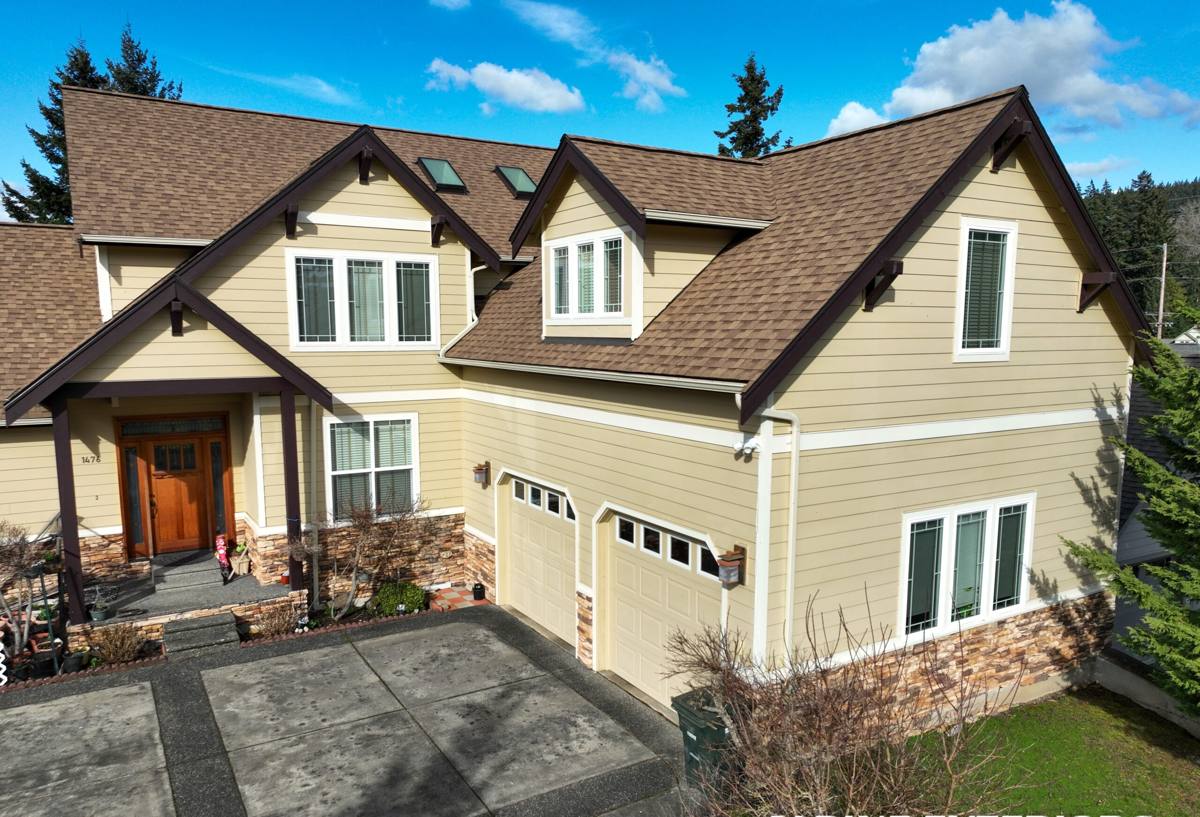
What Barkley Homes Need From a Deck
Water Has to Have Somewhere to Go
The single biggest factor in how long a deck lasts here isn't the wood species or the composite brand — it's drainage. Flat, low-slope framing that traps water against joists and ledger boards is the most common cause of premature rot we see on decks in this area, whether they're ten years old or thirty. A correctly built deck sheds water off every horizontal surface, keeps air moving underneath the structure, and never lets standing moisture sit against a fastener or a cut end of lumber.
Metal Hardware Has to Match the Environment
Salt air and near-constant humidity are hard on standard fasteners. Galvanized screws and joist hangers that would be perfectly fine in a drier inland climate can start showing surface corrosion within a few years out here, and corroded hardware is a structural problem, not a cosmetic one. We spec stainless steel or heavy-duty coated fasteners rated for coastal exposure on every deck we build, particularly at the ledger board — the single most safety-critical connection on the entire structure.
Ledger Attachment Deserves Extra Care
The ledger board — where the deck ties into the house — is where most catastrophic deck failures start, nationally and locally. Proper flashing behind and above the ledger, correct fastener spacing, and a real gap for water to escape rather than pool against the house band board are non-negotiable details. This is also the connection most likely to get shortcut on a low-bid job, because it's hidden once the decking goes down.
Signs Your Deck Is Losing the Fight Against Moisture
Most deck problems in this climate give warning signs well before anything becomes unsafe. Worth checking each fall before the wet season sets in:
- Soft or spongy spots underfoot, especially near the house or stair stringers
- Green or black staining that keeps returning within weeks of cleaning
- Gaps opening up between deck boards that weren't there when the deck was new
- Rust streaks bleeding out around screw heads or joist hangers
- Railing posts that flex or feel loose when you lean on them
- Standing water that takes more than a day to fully drain after rain
- Wood that feels damp to the touch even after several dry days
Any one of these on its own might just mean a cleaning and a few replacement boards. Two or three together usually mean the framing underneath needs a real look before another wet season goes by.
Choosing a Decking Material for This Climate
There's no single "right" material for every deck — it depends on budget, how much upkeep you want to do, and how long you plan to stay in the house. Here's how the common options actually perform once they've spent a few winters in Whatcom County weather.
| Material | Upfront Cost | Moss & Mildew Behavior | Maintenance | Realistic Lifespan Here |
|---|---|---|---|---|
| Pressure-treated fir/hem-fir | Lowest | Moss and algae take hold quickly on the shaded side if not cleaned yearly | Annual cleaning, re-sealing every 2-3 years | 15-20 years with upkeep |
| Cedar | Moderate | Naturally more rot- and insect-resistant, but still needs sealing to hold its color and shed moss | Sealing every 2-3 years, occasional board replacement | 20-25 years with upkeep |
| Composite / capped composite | Higher | Resists rot and insects; can still grow surface algae in shaded, damp spots but doesn't structurally degrade from it | Occasional washing, no sealing or staining | 25-30+ years, manufacturer-warrantied |
| PVC decking | Highest | Fully moisture-resistant surface; least prone to surface moss growth of the three | Lowest — washing only | 30+ years, manufacturer-warrantied |
None of these numbers matter much if the framing underneath is built wrong — a composite deck on a poorly flashed, poorly drained frame will still develop hidden rot in the structure, even though the decking on top looks fine. The material choice affects the surface; the framing decisions affect whether the deck is actually sound in ten years.
How We Build a Deck, Start to Finish
1. Site Visit and Design
We look at drainage, sun and shade patterns, how the deck ties into the house, and what you actually want to use the space for. Slope, tree cover, and prevailing wind and rain direction all factor into how we frame and where we detail the flashing.
2. Permitting
Most new decks and many significant deck replacements in Whatcom County require a building permit, particularly anything attached to the house or built above a certain height. We handle the permit application and inspections as part of the job so you're not tracking down paperwork yourself.
3. Framing and Ledger Attachment
This is the stage that determines whether the deck lasts. Correct footing depth for our frost line, properly flashed and fastened ledger board, joist spacing sized for the decking material you've chosen, and stainless or coated hardware throughout.
4. Decking, Railing, and Fasteners
Boards go down with the fastening method appropriate to the material — hidden fastener systems for most composite and PVC decking, properly spaced face screws for wood — with attention to consistent gapping that allows for seasonal movement without becoming a moss trap.
5. Final Walkthrough
We check every railing connection, stair stringer, and fastener before calling the job done, and walk the finished deck with you so you know what routine maintenance it actually needs going forward.
Permits and Code Considerations in Whatcom County
Deck permitting requirements vary by height, whether the structure attaches to the house, and guardrail and stair code requirements. Skipping the permit on an attached deck can create real problems later — unpermitted structural work is a common issue that surfaces during home sales and can affect insurance claims if something goes wrong. We pull the appropriate permits as a standard part of every deck build rather than treating it as optional.
Keeping Moss and Algae From Taking Over
Moss on a deck isn't just cosmetic — a moss mat holds moisture against the wood surface far longer than bare wood would dry on its own, which accelerates rot underneath it. Shaded decks and north-facing sides of the house are the areas that need the most attention. A yearly cleaning before the wet season, keeping overhanging branches trimmed back to let light and air reach the surface, and re-sealing wood decking on schedule are the three things that do the most to keep moss from getting a foothold. Composite and PVC decking need less of this attention structurally, but surface algae can still make the boards slick, so an annual wash is worth doing regardless of material.
Why Hire a Crew That Already Works in Barkley
A deck built to a spec sheet written for Phoenix or Denver will not hold up the same way here, and a contractor who mostly works drier climates may not think twice about details that matter enormously in this one — flashing behind the ledger, fastener grade, or how much slope to build into the frame for drainage. A crew that regularly works the Sudden Valley and Barkley area already knows which details the local weather actually punishes, has already dealt with the county's permitting process, and isn't guessing at frost depth or drainage requirements for this specific ground and climate. That local familiarity shows up less in how the deck looks on day one and more in how it's still holding up ten winters later.
If you're planning a new deck or trying to figure out whether an existing one is worth repairing or replacing, we're happy to take a look and give you a straightforward, no-pressure estimate — just fill out the form below.