 Sudden Valley Window
 Custom Windows Built for the Barkley Area
Barkley sits close enough to Sudden Valley and the rest of Whatcom County's lake-and-timber landscape that its homes take on the same weather punishment as the rest of the region — just with its own mix of tree cover, wind exposure, and building ages depending on which pocket of the neighborhood you're in. Custom windows here aren't a luxury upgrade; they're the difference between a house that sheds moisture and one that slowly absorbs it for years before anyone notices the rot behind the trim.
"Custom" in this context means windows sized, engineered, and detailed to fit openings that don't match off-the-shelf stock sizes — common in older Barkley homes with settled framing, additions, or hand-built openings — and windows chosen with this specific microclimate in mind, not a generic catalog pick.
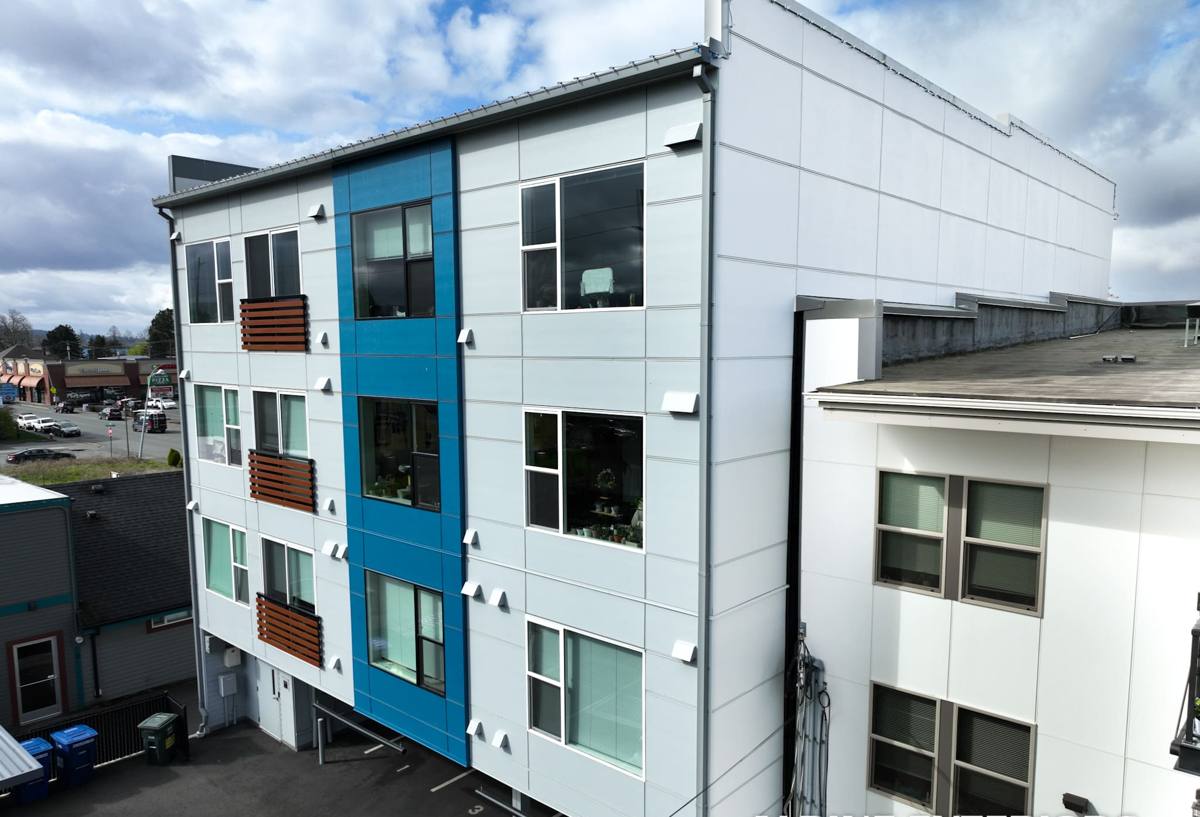
What the Local Climate Actually Does to Windows
Whatcom County's marine climate brings a specific combination of stressors that window systems either handle well or fail against slowly:
- Salt-tinged air off the Salish Sea corrodes unprotected fasteners, weakens weak-grade aluminum components, and accelerates the breakdown of cheap sealants over time.
- Driving, wind-blown rain pushes water sideways into gaps that would stay dry in a calmer climate — meaning flashing and sill pan details matter more here than in drier regions.
- Long moss and algae season (essentially fall through spring) keeps surfaces damp for extended stretches, which is hard on wood cladding, unsealed trim, and any window frame material that isn't fully weather-stable.
- Temperature swings between damp winters and warmer summer days stress seals and glazing units, especially on older double-pane windows nearing the end of their seal life.
None of this means Barkley needs exotic materials — it means ordinary installation shortcuts that might pass in a drier climate show up as real problems here within a few years instead of a few decades.
How This Shows Up in Real Homes
The most common failure points we see on service calls in this part of the county aren't dramatic — they're small, cumulative issues: fogged glass from failed seals, soft wood at the sill from years of standing moisture, black streaking from moss and mildew on north-facing frames, and drafts around openings where the original flashing was never properly lapped with the house wrap.
What a Correct Custom Window Job Involves
A window replacement done right is mostly about what happens before and around the glass, not the glass itself. Here's what we consider non-negotiable on every job:
- Accurate measurement of the actual opening — not the nominal size, since older framing has often shifted or been altered.
- Removal and inspection of the old window and surrounding framing for rot, moisture damage, or pest issues before anything new goes in.
- Sill pan flashing that directs any water intrusion back outside instead of into the wall cavity — critical given how much wind-driven rain this area gets.
- Proper integration with the house's water-resistive barrier, lapping flashing correctly so water sheds down and out, never into the seams.
- Air sealing and insulation around the frame, not just caulk at the exterior trim line.
- Correct shimming and squaring so the window operates smoothly and doesn't stress the frame or seals over time.
- Exterior detailing — trim, caulking, and paint or finish — done with materials that hold up to sustained damp conditions.
Skipping any one of these steps is usually invisible on installation day and expensive five years later.
Material and Frame Choices That Make Sense Here
| Frame Material | How It Handles This Climate | Maintenance |
|---|---|---|
| Vinyl | Good moisture resistance, no corrosion risk from salt air, stable in temperature swings | Low — occasional cleaning |
| Fiberglass | Excellent dimensional stability, resists warping from repeated wet-dry cycles | Low |
| Wood (clad or unclad) | Attractive for period homes, but exposed wood needs real upkeep in a damp, moss-prone climate | High if unclad; moderate if clad |
| Aluminum | Strong but conducts cold and can be prone to corrosion near salt air unless properly coated | Moderate |
We don't push one material as universally "best" — we frame it as a trade-off conversation. A wood-frame window can look great on an older Barkley home, but only if the owner understands the upkeep commitment that comes with keeping bare wood healthy through a Whatcom County winter. For most replacement jobs where low maintenance matters, vinyl or fiberglass frames tend to be the more practical long-term call.
Glass and Glazing Considerations
For this region, we generally steer homeowners toward double-pane units with a warm-edge spacer system and a quality low-E coating tuned for the Pacific Northwest's mix of grey, overcast days and occasional summer heat. The spacer detail matters more than people expect — a poor spacer is often the first thing to fail, showing up as fogging between the panes years before the glass itself is a problem. Triple-pane glass is worth discussing on rooms facing prevailing wind and rain, or where noise from nearby roads is a factor, but it's not automatically the right call for every opening — it adds weight and cost that isn't always justified.
Our Process for Barkley Jobs
1. On-Site Assessment
We look at existing window condition, framing health, and how each elevation of the house is exposed to prevailing wind and rain — a south or west-facing wall in this area often needs more attention to flashing detail than a sheltered north wall.
2. Honest Scope and Estimate
We tell you what's actually needed — sometimes that's a straight window swap, sometimes it's addressing rot or reflashing an opening first. We don't upsell work that isn't there, and we don't hide work that is.
3. Installation
Old windows come out, framing gets inspected, flashing and air sealing get done to the standard above, and new windows go in square, level, and properly sealed.
4. Final Check and Cleanup
We test operation on every window, check seals, and clean up the site before we consider the job done.
Why a Crew That Knows Barkley Matters
General contractors who mostly work drier inland regions sometimes under-detail flashing and air sealing because it simply hasn't burned them yet in their usual climate. A crew that regularly works this part of Whatcom County treats sill pan flashing, wind-driven rain protection, and moss-resistant exterior detailing as standard practice, not an upsell — because we've seen what happens on the service calls when it's skipped. Familiarity with the area also means we're not guessing at typical framing quirks, siding types, or exposure patterns common to Barkley and greater Sudden Valley homes.
Signs Your Windows May Need Attention
- Fogging or haze between panes (failed seal)
- Visible gaps, drafts, or cold spots near the frame
- Soft, discolored, or spongy wood at the sill or frame
- Difficulty opening, closing, or locking the window
- Moss, algae, or persistent black streaking on the frame or trim
- Condensation on the interior glass during cold, damp weather
- Visible daylight around the frame from inside
Any one of these on its own isn't necessarily urgent, but a few together usually mean it's time for an inspection before the underlying framing takes more damage.
Cost Factors to Expect
| Factor | Why It Affects Price |
|---|---|
| Opening size and shape | True custom sizes (bays, arches, non-standard openings) cost more than standard rectangular replacements |
| Frame material | Vinyl is typically the most economical; fiberglass and wood cost more upfront |
| Glass package | Double vs. triple pane, and coating options, shift cost per unit |
| Existing damage | Rot repair or reframing adds labor beyond a straight window swap |
| Number of openings | Whole-house jobs typically bring a better per-window rate than single replacements |
| Access and height | Second-story or hard-to-reach openings take more labor time |
We won't quote a number without seeing the actual openings — anyone who gives you a firm price over the phone for a "custom window job" sight unseen is guessing.
Maintenance After Installation
Even a well-installed window benefits from basic upkeep in this climate. Rinse frames periodically to keep salt residue and grime from building up, keep weep holes clear so water can drain properly, check caulking lines annually for cracking, and address any moss growth on nearby trim before it spreads onto the window frame itself. None of this is intensive, but skipping it for years is how small maintenance items become bigger repair items.
If you're weighing a window project for a Barkley-area home, we're happy to take a look and give you a straight, no-pressure estimate — no obligation, just an honest read on what your windows actually need. Use the form below to get started.