 Sudden Valley Window
 Windows Built for Columbia's Lake and Weather Conditions
Homes in the Columbia area of Sudden Valley sit close to Lake Whatcom, tucked into tree cover and exposed to weather patterns that are tougher on windows than most homeowners realize. It's not one dramatic storm that does the damage — it's the daily grind. Damp lake air works into wood and vinyl components over years. Driving rain off the water finds every weak seal. And the long moss season here, often stretching from fall through spring, keeps north- and shade-facing walls wet longer than sunnier parts of Whatcom County. Windows that were installed correctly shrug this off. Windows that weren't start showing it within a few years — fogged glass, soft trim, drafts you can feel standing next to them on a windy day.
We install windows in the Columbia neighborhood regularly, which means we're not guessing at how a product or installation detail will hold up here — we've seen it play out on homes like yours.
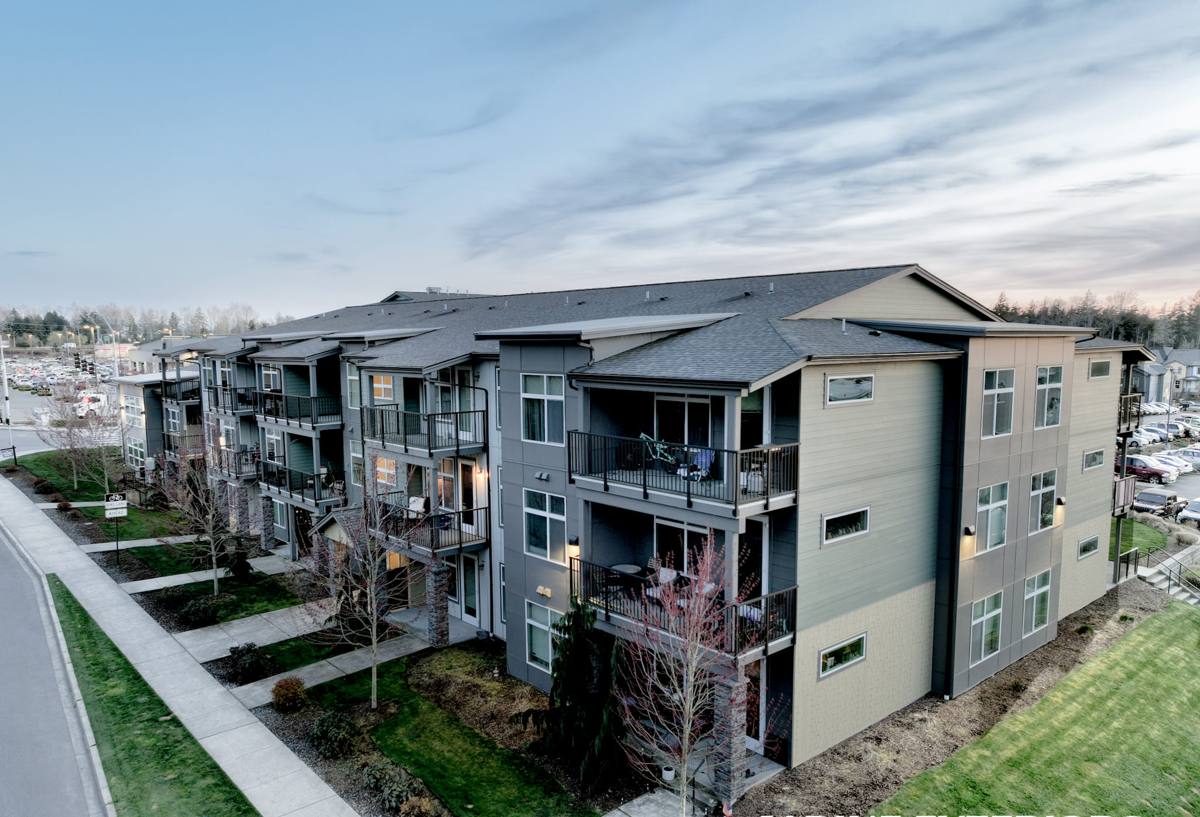
What Local Homes Actually Need From a Window Install
A window installation in Columbia has to account for a few things that don't matter as much in drier, more open parts of the county:
- Moisture management at the sill. With extended damp periods, any gap or shortcut at the bottom of the window frame becomes a slow leak path — often invisible until there's rot in the framing.
- UV and mildew resistance on exterior finishes. Shaded lots near the lake stay wet longer, which is exactly the environment mold and moss favor.
- Wind-driven rain protection. Storms off Lake Whatcom don't just fall straight down — they push rain sideways into window assemblies, which is a different sealing challenge than vertical rainfall.
- Condensation control. Cooler, moist air meeting warm interior air is a recipe for interior condensation if the glass package and frame aren't matched to the climate.
None of this means Columbia needs exotic or expensive products. It means the installation details — flashing, sealant choice, sill pan design, and fastening — have to be done right every time, because the climate here doesn't forgive shortcuts.
What a Correct Installation Actually Involves
It Starts Before the New Window Shows Up
A proper install begins with inspecting the existing rough opening — checking the framing for hidden water damage, confirming the opening is square and level, and identifying any prior flashing mistakes that need correcting rather than covering over. Skipping this step is the single most common reason a "new window" still leaks two years later.
Flashing and Sealing, Not Just Caulking
Caulk is a finish detail, not a waterproofing system. A correct install uses a layered approach: a sill pan or sloped sill flashing to direct any water that gets past the exterior back outside, window flange integration with the house wrap or building paper, and appropriate sealant at the joints — in that order, so water always has somewhere to go besides into your wall.
Fastening and Shimming
Windows need to be shimmed square and fastened per the manufacturer's specification — not just "close enough." An out-of-square window stresses the sash, wears hardware early, and creates gaps that widen over time, especially under the freeze-thaw and wind-load cycles common on this side of the lake.
Interior and Exterior Finish Work
The trim and sealant on both sides need to be finished so they shed water rather than trap it, and interior insulation around the frame should be filled without overpacking, which can bow the frame and bind the sash.
Signs a Columbia Home's Windows Need Attention
Homeowners in this area typically notice one of these before calling us:
- Fogging or a visible haze between panes of double-pane glass — a sign the seal has failed
- Soft or discolored trim and sill wood on the exterior, especially on shaded sides of the house
- Drafts felt near the frame even when the window is fully latched
- Windows that are hard to open, close, or lock — often a sign the frame has shifted
- Visible moss or dark streaking building up on or around the frame
- A noticeable rise in heating costs without another clear explanation
Any one of these is worth a look. Several together usually mean it's more cost-effective to replace than keep patching.
Our Process for a Columbia Window Installation
- On-site assessment. We inspect existing windows, framing condition, and exposure (sun, shade, wind direction) for each opening — a west-facing window near open lake exposure gets treated differently than a sheltered one under tree cover.
- Product recommendation. We walk through frame material and glass options suited to that specific exposure, with honest trade-offs, not a one-size-fits-all pitch.
- Written estimate. Clear scope, materials, and pricing before any work starts.
- Removal and opening prep. Old windows come out carefully, and we address any framing or flashing issues we find rather than installing over them.
- Installation. Sill flashing, window setting, shimming, fastening, and sealing done to manufacturer and building code specification.
- Finish work. Interior and exterior trim, sealant, and cleanup.
- Walkthrough. We test operation and locking on every window before we consider the job done.
Choosing a Frame Material for This Climate
There's no single "best" window material — the right choice depends on your budget, the window's exposure, and how much upkeep you want to take on. Here's how the common options actually compare for a lake-adjacent, high-moisture setting like Columbia:
| Frame Material | Moisture Resistance | Maintenance | Typical Trade-off |
|---|---|---|---|
| Vinyl | Very good — won't rot, resists moss growth | Low — occasional cleaning | Fewer color/finish options than other materials |
| Fiberglass | Excellent — dimensionally stable in wet/cold swings | Low | Higher upfront cost |
| Wood (clad exterior) | Good if maintained; vulnerable where cladding is damaged | Higher — exterior clad still needs sealant checks; interior wood needs care | Best interior appearance, more long-term upkeep in this climate |
| Aluminum | Fair — prone to condensation without thermal breaks | Low | Poorer insulation unless thermally broken; not our first recommendation here |
For most Columbia homes, we lean toward vinyl or fiberglass because they hold up to sustained moisture with the least maintenance. Where a homeowner wants a wood interior look, we still use it — but we're upfront that it needs more attention on this side of the lake than it would in a drier part of the county.
Why We're Selective About Glass Packages Too
Double-pane glass with a quality low-E coating and argon fill is the practical standard for this climate — it manages both heat loss and condensation risk without adding cost that doesn't pay off. We don't push upgrades that don't make sense for a given exposure; a small, shaded window doesn't need the same glass spec as a large west-facing one catching direct wind and rain off the lake.
What Affects Cost
Every home and opening is different, so we don't quote sight unseen, but these are the factors that actually move the price:
| Factor | Why It Matters |
|---|---|
| Window size and quantity | Larger openings and whole-house jobs affect both material and labor cost |
| Frame material | Vinyl is typically the most economical; fiberglass and clad-wood cost more upfront |
| Condition of the existing opening | Hidden rot or prior flashing mistakes add repair work before the new window goes in |
| Access and site conditions | Second-story or hard-to-reach openings take more time and equipment |
| Trim and finish scope | Full interior/exterior trim replacement costs more than reusing sound existing trim |
We give straightforward, itemized estimates so you know what you're paying for and why — no vague lump-sum numbers.
A Quick Checklist Before You Hire Anyone
- Do they inspect the rough opening, or just measure and swap the window?
- Do they explain their flashing and sealing method, or wave it off as "we caulk it good"?
- Are they familiar with lake-adjacent or shaded-lot conditions specifically, not just general window installs?
- Do they give you a written, itemized estimate?
- Do they stand behind both the product warranty and their own installation workmanship?
Why It Matters to Hire a Crew That Already Works in Columbia
A crew that mostly installs windows in dry, open subdivisions can do fine work there and still get caught off guard by what this neighborhood throws at a building envelope. We know which exposures around the lake take the hardest wind-driven rain, how long moss season really runs on shaded lots here, and which flashing details actually hold up through a full Whatcom County winter. That's not a sales pitch — it's the difference between an installation that's technically correct on paper and one that's actually correct for this specific spot.
If you're noticing drafts, fogged glass, or moss creeping around your window frames, or you're simply ready to upgrade, we're glad to take a look. Reach out for a free, no-pressure estimate — we'll walk your home, tell you honestly what your windows need, and give you a clear, written quote before any work begins.