 Sudden Valley Window
 Building Decks in Cordata for the Real Whatcom County Climate
Cordata sits in a part of Whatcom County where the weather does most of the talking. Homes here deal with long stretches of driving rain, damp air pushed in off the Sound, and a moss season that can run from fall clear through spring. A deck that looks great the day it's finished but wasn't built for that reality will start showing problems within a couple of seasons — soft spots underfoot, green film on the boards, rust bleeding from fasteners, or a ledger board that's trapping moisture against the house. None of that is inevitable. It's a design and materials problem, and it's solvable if the crew building your deck actually understands the local conditions instead of just following a generic build sheet.
This page is about one job in one place: custom deck construction for Cordata homeowners, built with the specific climate stresses of this part of Whatcom County in mind.
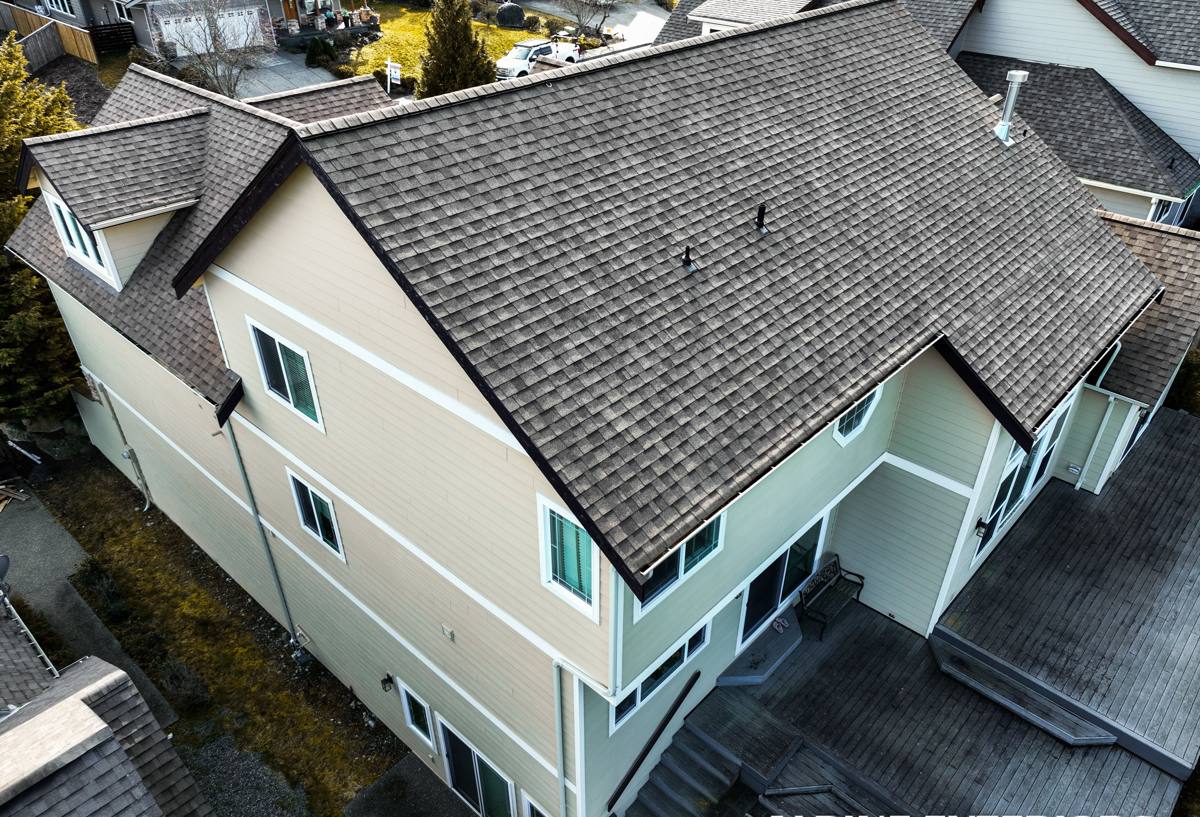
What Cordata Homes Actually Need From a Deck
The failure points we see most often on older or poorly built decks in this area aren't dramatic — they're slow. Moisture works its way into end grain that wasn't sealed. Fasteners that weren't rated for wet, salt-tinged air start to corrode and streak the decking. Boards laid tight against each other with no drainage gap trap water and grow moss faster than the rest of the yard. A correctly built deck accounts for all of this from the framing up, not as an afterthought.
The climate factors that matter most here
- Sustained rain volume — not just occasional storms, but weeks of steady moisture that finds every gap in flashing or fastening.
- Salt-tinged air — coastal moisture accelerates corrosion on standard hardware faster than it would inland.
- Extended shade and damp cycles — mature trees and cloud cover common in this area keep decking surfaces wet longer, which is exactly what moss and algae need.
- Freeze-thaw swings — not extreme here, but enough cycling to matter for footing depth and concrete cure quality.
What a Correctly Built Deck Involves
Footings and framing
Footings need to be sized and set to local frost depth and soil-bearing requirements, not guessed at. On lots with heavier clay or poor drainage — common in parts of Whatcom County — footing placement and drainage gravel matter more than the footing size itself. Framing lumber should be rated for ground contact where it's close to grade, and every cut end needs to be sealed or taped, since a factory-treated board becomes vulnerable the moment it's cut.
Ledger board and flashing
The ledger board — where the deck attaches to the house — is the single most common source of hidden rot on decks in wet climates. Done right, it gets proper flashing that directs water away from the house wall, a waterproof membrane behind it, and a small gap or flashing tape system so water can't sit between the ledger and the siding. This is not a place to cut corners; it's the connection point that, if it fails, can cause structural damage to the house itself, not just the deck.
Fasteners and hardware
In coastal-influenced air, standard zinc-coated screws and brackets corrode faster than their rated lifespan suggests. Stainless steel or heavy-duty coated fasteners cost more up front but avoid the rust streaking and loosened connections that show up within a few years on decks built with budget-grade hardware.
Joist tape and drainage gaps
Taping the tops of joists before decking goes down keeps water from pooling on exposed wood — a small step that makes a real difference in framing lifespan. Spacing boards for drainage, rather than jamming them tight, keeps water moving off the deck instead of sitting in the seams where moss gets a foothold.
Choosing the Right Decking Material
There's no single "best" decking material — there's a best material for your budget, your maintenance tolerance, and how much shade and moisture your specific lot gets. Here's how the common options actually compare for a damp, moss-prone climate like this one:
| Material | Upfront Cost | Moisture/Moss Resistance | Maintenance | Typical Lifespan |
|---|---|---|---|---|
| Pressure-treated lumber | Lowest | Fair — needs sealing to perform well | Annual cleaning and re-sealing recommended | 10–15 years with upkeep |
| Cedar | Moderate | Good natural resistance, but surface still needs care | Periodic cleaning, staining or sealing every 2–3 years | 15–20 years with upkeep |
| Composite decking | Higher | Very good — resists rot, but can still grow surface algae if shaded | Occasional washing, no sealing or staining | 25+ years |
| PVC/capped polymer | Highest | Excellent — fully synthetic surface, minimal moss adhesion | Low — occasional rinse | 25–30+ years |
For lots with heavy shade or a lot of overhanging trees, we lean homeowners toward composite or capped polymer boards, since the labor cost of regularly cleaning and re-sealing a wood deck in a damp, shaded spot adds up fast. For sunnier, more open lots, a well-maintained cedar or treated deck can perform fine and costs less to start.
Railings, Stairs, and Code Requirements
Guardrails, baluster spacing, and stair rise/run all have to meet current building code, and inspectors check these details closely — for good reason, since they're the parts of a deck most tied to safety. A properly built deck has railings rated for the required load, baluster gaps narrow enough to meet code, and stair stringers sized for the actual rise of the deck rather than a stock cut that's close enough. Skipping or fudging these details is one of the most common reasons a deck fails inspection or has to be reworked later.
Drainage, Under-Deck Space, and Moss Prevention
What happens under and around a deck matters as much as what's on top. Grading that slopes water back toward the house instead of away from it will eventually cause problems no matter how well the deck itself is built. If there's living or storage space underneath, an under-deck drainage system can keep that area dry through the wet months instead of turning it into a damp, moss-lined crawl space. And keeping some airflow under the deck — rather than boxing it in completely — helps everything below and around it dry out between rain events instead of staying perpetually damp.
Our Process for Cordata Deck Projects
- On-site walkthrough — we look at the lot's drainage, shade pattern, and how the deck will tie into the house before quoting anything.
- Design and material selection — sized for how you'll actually use the space, with material recommendations based on sun/shade exposure and maintenance preference.
- Permitting — we handle the permit application and coordinate the required inspections so you're not chasing paperwork.
- Build — footings, framing, ledger flashing, decking, and railings, in that order, with each stage checked before moving to the next.
- Final walkthrough — we go over the finished deck with you, including basic care guidance specific to the material you chose.
Why a Local Crew That Already Works This Area Matters
A deck built by a crew that only occasionally works in Whatcom County tends to build to a generic spec — because that's what they know. A crew that regularly works Cordata and the surrounding communities has already seen how the local rain patterns, shade cover, and soil conditions affect deck performance over time, and builds accordingly from the start. That local familiarity also means faster response if a warranty question comes up later — no cross-town scheduling gap, no relearning your specific site conditions from scratch.
Deck Maintenance Checklist for This Climate
- Clear leaves and debris from board gaps before they hold moisture through fall and winter.
- Rinse or lightly scrub shaded areas where moss and algae tend to establish first.
- Check railings and stair connections annually for loosened fasteners or hardware corrosion.
- Reseal or re-stain wood decking on the schedule appropriate to the material — don't wait until it looks obviously worn.
- Keep gutters and downspouts near the deck clear so runoff isn't dumping extra water onto or under it.
- Watch the ledger board area for any staining or soft spots, since that's the earliest sign of a flashing problem.
If you're planning a new deck in Cordata or need an honest look at whether an existing one is holding up the way it should, we're happy to come take a look. Estimates are free and there's no pressure — just a straight assessment of what your home and this climate actually call for.