 Sudden Valley Window
 Why Deming Roofs Wear Differently Than Roofs Inland
Deming sits in the Nooksack River valley, tucked between dense evergreen cover and the open sky on the way up toward Mount Baker. That combination means two things for a roof: near-constant tree debris and shade on one side of the house, and long stretches of open exposure to wind-driven rain on the other. Add in the moisture-laden air that moves inland off Bellingham Bay and the Sound, and you get a roofing environment that punishes shortcuts. A shingle roof that would hold up fine in a dry climate can start showing moss, granule loss, and soft decking here years ahead of schedule if it wasn't installed with this valley's conditions in mind.
Whatcom County's roofing challenges aren't exotic — they're just relentless. Rain that falls sideways during winter storms finds its way under poorly lapped shingles. Shade from surrounding trees keeps roof surfaces damp long after a storm has passed, which is exactly what moss and algae need to take hold. None of this means a shingle roof is a bad choice for Deming. It means the installation details — underlayment, ventilation, flashing, and shingle selection — matter more here than in a drier part of the state.
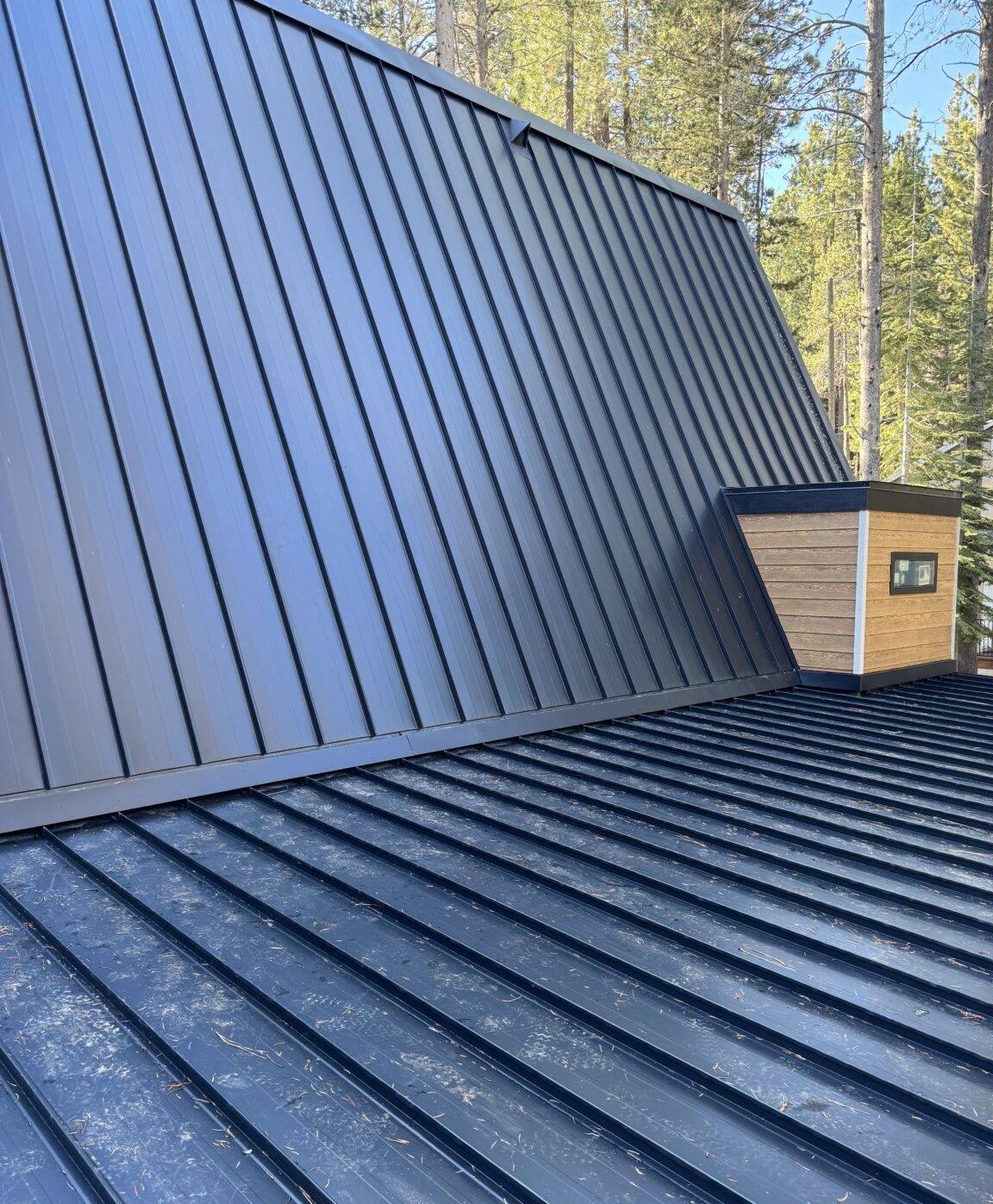
What a Correctly Installed Shingle Roof Includes
An asphalt shingle roof is a system, not just a layer of shingles nailed to plywood. Every layer underneath the visible shingles is doing work, and in a climate like ours, skipping or shortcutting any of them shows up as a leak within a few years rather than a few decades.
Underlayment and Moisture Barriers
Synthetic underlayment goes down first, and it's the roof's real waterproofing layer — shingles shed most of the water, but the underlayment handles what gets past them during wind-driven rain. In valleys and along eaves, where ice and heavy runoff concentrate, self-adhering ice-and-water shield membrane belongs underneath the shingles, not as an afterthought. This is one of the most commonly skipped details on budget roof jobs, and it's the one most likely to cause a slow, hidden leak in a home like the ones around Deming.
Ventilation That Matches the Attic
A shingle roof that can't breathe traps moisture in the attic, which condenses, soaks insulation, and rots decking from the underside — a problem that has nothing to do with the shingles themselves but gets blamed on them anyway. Balanced intake at the eaves and exhaust at the ridge keeps air moving so moisture doesn't sit. In a humid valley climate, this is not optional trim-out work; it's core to how long the roof lasts.
Flashing and Transition Points
Chimneys, skylights, sidewalls, and valleys are where the vast majority of roof leaks actually start — not in the open field of shingles. Correct step flashing, counterflashing, and valley metal, properly lapped with the underlayment and shingles around them, is what keeps water moving down and off the roof instead of finding a way in at every penetration.
Choosing an Asphalt Shingle for a Moss-Prone Climate
Not every asphalt shingle handles a damp, shaded roof the same way. The granules on a shingle do more than provide color — they protect the asphalt layer underneath from UV and weather, and their density and quality affect how well the shingle resists algae staining and moss anchoring over time.
| Shingle Type | Typical Lifespan | Moss/Algae Resistance | Best Fit |
|---|---|---|---|
| 3-tab (standard) | 15–20 years | Lower unless algae-resistant granules specified | Budget-conscious, less shaded roofs |
| Architectural / dimensional | 25–30 years | Better with algae-resistant granule options | Most Deming homes; heavier, better wind performance |
| Algae-resistant (AR) upgrade | Same as base shingle | Copper- or zinc-infused granules resist streaking | Heavily shaded roofs, north-facing slopes |
| Impact-resistant (Class 4) | 25–30+ years | Comparable to standard architectural | Homes with heavy limb/debris exposure from surrounding trees |
We work with widely available manufacturers such as GAF, Owens Corning, and CertainTeed, and we'll walk through the algae-resistant and impact-resistant options with you rather than defaulting to whatever is cheapest to stock. On a shaded, damp lot, the upgrade to algae-resistant granules is usually worth the modest cost difference over the life of the roof.
Our Process, Start to Finish
- Inspection and assessment — we get on the roof (not just a look from the ground) to check decking condition, existing ventilation, flashing, and moss or moisture damage.
- Written estimate — a clear scope covering tear-off, materials, underlayment upgrades where needed, and any decking repair, with no vague allowances.
- Tear-off and decking check — old roofing comes off down to the deck so we can actually see what's underneath rather than covering up soft or rotted plywood.
- Underlayment and flashing installation — ice-and-water shield at eaves and valleys, synthetic underlayment across the field, new flashing at all penetrations and transitions.
- Shingle installation — correct nailing pattern and exposure per manufacturer specification, which is also what keeps the warranty valid.
- Ventilation tie-in — ridge and intake vents installed or corrected to balance airflow.
- Cleanup and final walkthrough — magnetic sweep for nails, debris hauled off, and a walkthrough so you know what was done and why.
Signs a Deming Roof Needs Attention
Most roof failures don't happen suddenly — they show warning signs for months or years first. Homeowners in shaded, damp parts of Whatcom County should keep an eye out for:
- Moss growth on the roof surface, especially on north-facing slopes or under tree cover
- Granules collecting in gutters or at the base of downspouts
- Shingles that look curled, cupped, or are missing tabs
- Dark streaking that doesn't wash off with normal rain
- Soft spots underfoot on the roof, or sagging along the roofline
- Daylight visible through the roof deck from inside the attic
- Water stains on interior ceilings, especially near chimneys, skylights, or valleys
Any one of these on its own isn't necessarily an emergency, but moss combined with granule loss is usually a sign the shingle's protective layer is breaking down faster than it should — worth a real inspection rather than a guess.
Living With a Shingle Roof in a Moss-Prone Valley
Even a well-installed roof needs some ongoing attention in a climate this damp. Keeping gutters clear so water doesn't back up under the shingle edge, trimming back branches that keep a section of roof shaded and wet, and addressing moss with a proper roof-safe treatment rather than pressure washing — which strips granules and shortens shingle life — all go a long way. We'd rather tell a homeowner how to get a few extra years out of an existing roof than push a replacement that isn't needed yet.
What Not to Do
Pressure washing, scraping moss off dry, or nailing down loose shingles yourself in wet weather tends to create more entry points for water than it fixes. Moss treatment and gentle rinsing, done at the right time of year, is almost always the safer approach.
What Roof Work Actually Costs
Pricing depends on more than square footage. These are the factors that move a Deming roofing quote up or down:
| Cost Factor | Why It Matters |
|---|---|
| Roof size and pitch | Steeper roofs take longer to work safely and require more fall-protection setup |
| Number of existing layers | Tear-off of multiple old layers adds labor and disposal cost |
| Decking condition | Rotted or soft plywood found during tear-off needs replacement before shingles go down |
| Shingle grade selected | Standard vs. architectural vs. algae-resistant/impact-resistant options carry different material costs |
| Ventilation upgrades | Adding or correcting ridge and intake vents where the current system is inadequate |
| Roof accessibility | Tree cover, tight lot access, or steep driveways can affect staging and disposal logistics |
We'd rather walk your roof and give you real numbers than throw out a broad range that doesn't mean much either way. What we can say honestly: cutting corners on underlayment or flashing to hit a lower number almost always costs more later, once water finds the gap.
Why It Matters That We Already Work in Deming
A crew that's worked roofs throughout Whatcom County knows which slopes hold moss longest, which valleys need extra attention during a wet fall, and how the moisture patterns along the Nooksack corridor differ from a roof closer to open water or higher up toward the foothills. That familiarity shows up in small decisions — where to add extra ice-and-water shield, which shingle grade actually earns its price difference on a shaded lot, how to sequence a tear-off around an unpredictable forecast. It also means faster response if a storm causes damage, because we're not driving in from out of the area to take a look.
If you're weighing a repair against a full replacement, or just want an honest read on how much life is left in your current roof, we're happy to take a look. Reach out for a free, no-pressure estimate using the form below.