 Sudden Valley Window
 Windows Built for Sunnyland's Weather, Not Just the Showroom
Sunnyland homes near Sudden Valley take a beating that a lot of window buying guides never mention. It isn't just about picking a higher energy rating off a spec sheet. It's about what happens to that window after five, ten, fifteen years of salt-laden air, sideways rain, and a moss season that seems to start earlier every fall. A window that tests well in a lab can still fail early here if it isn't installed with this specific climate in mind. That's the gap we work in: matching real energy-efficient window products to the way Whatcom County weather actually behaves against a home.
When we talk about "energy-efficient windows" for Sunnyland, we mean two things at once — glass and frame packages that cut heat loss and drafts, and an installation approach that keeps that performance intact for the long haul instead of quietly degrading behind the trim.
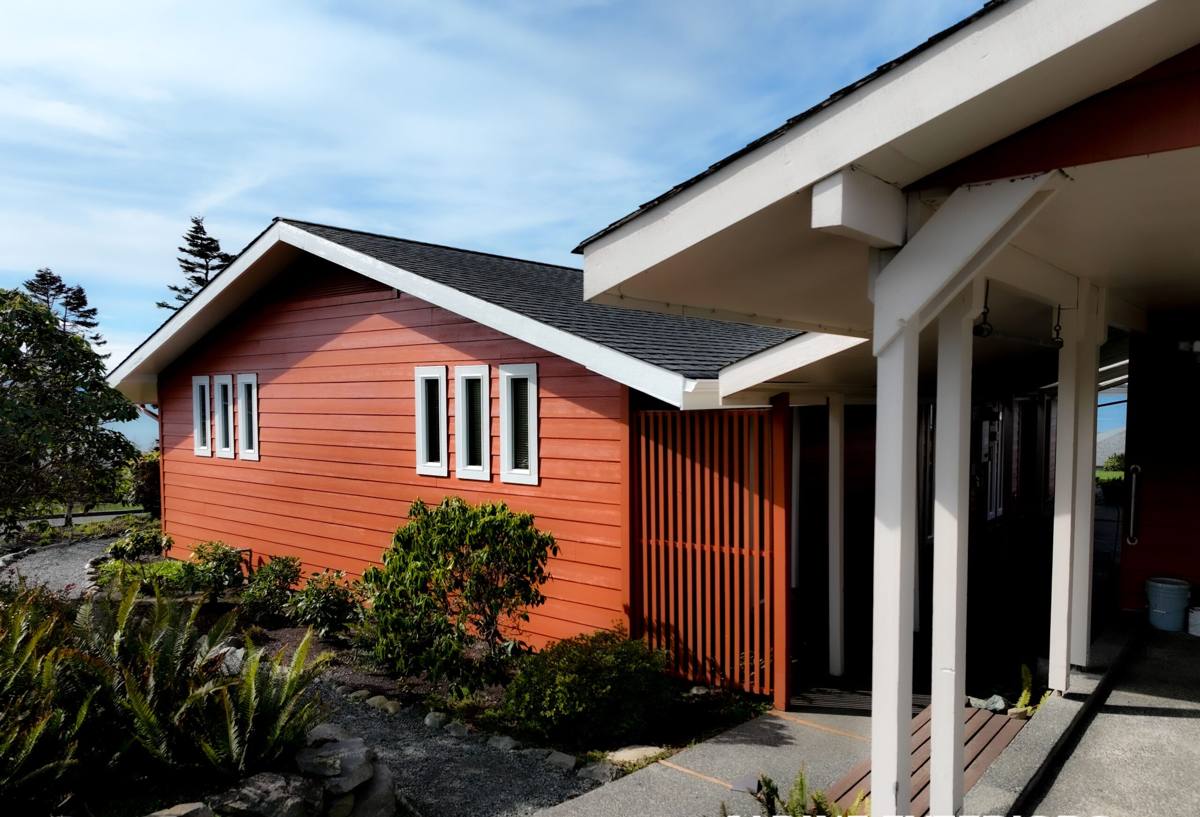
What Energy-Efficient Actually Means for a Home Here
Energy efficiency in a window comes down to three things working together: the glass package, the frame material, and the seal between the window and the house. Get one wrong and the other two can't make up for it.
Glass Package
Most modern replacement windows use dual-pane glass with a low-emissivity (low-E) coating and an insulated gas fill between the panes. That combination is what actually stops heat from moving through the glass — the coating reflects radiant heat while letting visible light through, and the gas fill slows conductive heat transfer. For a home exposed to the kind of temperature swings and driving rain common around Sudden Valley, this is the baseline, not an upgrade.
Frame Material
Frame material affects both insulation value and how the window handles moisture over time. Vinyl, fiberglass, and wood-clad all perform differently in a wet, salt-exposed environment, which is why we walk homeowners through the real trade-offs rather than pushing one product across every job.
The Seal
This is the part most homeowners underestimate. A window can have excellent glass and frame ratings and still perform poorly if the flashing, sealant, and rough opening prep weren't done correctly. Air and water find the smallest gaps, and in a climate with sustained wind-driven rain, a marginal seal shows up as a drafty room or a soft spot in the wall within a few years.
The Local Threats: Salt Air, Driving Rain, and Moss
Three conditions define what a window needs to survive in this part of Whatcom County, and we design every installation around them.
Salt Air
Salt-laden air accelerates corrosion on hardware, fasteners, and unprotected metal components. Over time it can pit weep hole screens, degrade cheaper cladding, and cause hardware to stiffen or seize if it isn't rated for coastal-adjacent exposure. We spec hardware and cladding with this in mind rather than defaulting to whatever ships standard.
Driving Rain
Wind-driven rain doesn't just fall on a window — it gets pushed sideways into it, testing every seam in the flashing and sill pan. A window that's fine in a still rainstorm can still leak in a wind event if the flashing details weren't built for lateral water pressure. This is one of the most common causes of hidden rot we find behind older window installs in this area.
Moss and Sustained Moisture
A long moss season means extended periods where surfaces near windows — sills, trim, nearby siding — stay damp longer than they would in a drier climate. Moss and organic growth trap moisture against wood trim and can hold water against seals that were never designed to stay wet for weeks at a stretch. Good detailing and material choice around the window opening matters as much as the window unit itself.
Signs Your Windows Are Underperforming
Homeowners in Sunnyland usually notice one of a few patterns before they call us. None of these on their own means you need full replacement, but together they're worth a professional look.
- Noticeable draft near the window frame even when it's fully latched
- Condensation forming between the panes (a sign the seal has failed, not just a humidity issue)
- Soft or discolored trim/sill wood, especially on window walls facing prevailing wind
- Visible moss or dark streaking building up on sills or nearby siding
- Windows that are hard to open, close, or lock — often a sign the frame has shifted or swollen
- A noticeably colder room in winter compared to the rest of the house
- Rising heating bills without a clear cause elsewhere in the home
What a Correct Installation Involves
Replacing a window is not just pulling the old unit and screwing in a new one. The steps around the window — the parts nobody sees once the trim goes back on — are what determine whether it performs for twenty years or starts leaking in three.
| Step | Why It Matters Here |
|---|---|
| Remove old unit and inspect rough opening | Catches hidden rot or water damage from prior seal failures before it's covered up again |
| Repair or rebuild damaged framing | A new window installed into a compromised opening will fail early regardless of its rating |
| Install sloped sill pan flashing | Directs wind-driven rain out and away instead of letting it pool at the sill |
| Integrate flashing with the home's weather-resistive barrier | Keeps water managed as a continuous system, not a patchwork of caulk |
| Set window level, plumb, and square with proper shimming | Prevents operational problems and uneven seal compression over time |
| Insulate the gap between frame and rough opening correctly | Closes air leak paths without over-compressing the frame, which can cause it to bow |
| Seal and caulk exterior with appropriate, durable sealant | First line of defense against salt air and sustained rain exposure |
| Reinstall or replace trim and finish work | Protects the assembly and gives moisture a place to shed rather than collect |
Comparing Frame Materials for This Climate
There's no single "best" frame material for every home — it depends on your home's exposure, your maintenance preferences, and your budget. Here's how the common options actually compare for a Sudden Valley-area property.
| Material | Moisture Handling | Maintenance | Typical Trade-Off |
|---|---|---|---|
| Vinyl | Good — won't rot, resists salt corrosion well | Low | Fewer color/finish options; frame can be less rigid on very large units |
| Fiberglass | Excellent — very stable in wet, temperature-swinging conditions | Low to moderate | Higher upfront cost than vinyl |
| Wood-clad | Good if cladding stays intact; vulnerable where cladding is compromised | Higher — needs monitoring at joints and end grain | Best interior appearance, but more sensitive to installation quality |
| Aluminum | Poor thermal performance; prone to condensation without thermal breaks | Low | We generally steer homeowners away from it for primary living-space windows here |
We don't push one material across every job. If a home has heavy sun exposure on one side and sheltered walls on another, the right spec can genuinely differ window to window.
Our Process, Start to Finish
- On-site assessment. We look at each window's exposure, current condition, and any signs of hidden moisture damage before recommending anything.
- Honest product recommendation. We walk through glass, frame, and hardware options with the real trade-offs, not just the upsell.
- Written estimate. Clear scope, materials, and timeline — no vague allowances.
- Prep and protection. Interior and landscaping protected before any removal begins.
- Removal and opening inspection. We don't cover up a problem we find — we tell you before it's closed back up.
- Installation with proper flashing and sealing. The step most corners get cut on elsewhere; it's the one we spend the most care on.
- Final check and walkthrough. Every window operates, seals, and locks correctly before we call the job done.
Why a Crew That Already Works Sunnyland Matters
Window performance in Whatcom County isn't generic. A crew that mostly works drier, inland climates can install a technically correct window and still miss the details that matter here — the sill pan slope that handles driving rain, the hardware spec that resists salt air corrosion, the trim detail that doesn't trap moisture through a long moss season. Familiarity with Sunnyland's specific conditions, and with how homes in this part of Sudden Valley are typically built, means fewer surprises during the job and a better chance the install still performs a decade from now. It also means we're not guessing at what "normal" looks like for a home here — we've seen how these houses age.
Ongoing Care to Protect the Investment
A well-installed energy-efficient window still needs a little seasonal attention, especially given the local climate. This isn't a big time commitment, but skipping it shortens the life of the installation.
- Rinse sills and frames periodically to clear salt residue and organic buildup
- Check and clear weep holes so water can drain instead of pooling
- Remove moss or algae from sills and nearby trim before it spreads to seals
- Inspect exterior caulking annually and touch up before gaps widen
- Test operation each season — sticking or hard-to-latch windows should be looked at early, not ignored
- Watch for condensation between panes, which signals a failed seal rather than a cleaning issue
What This Typically Costs
Pricing depends on window size, count, frame material, and whether any framing repair is needed once the old unit comes out — hidden rot from years of water intrusion is common enough here that we always budget for the possibility rather than promise a number before we've opened the wall. In general terms, vinyl replacement windows sit at the more affordable end, fiberglass and wood-clad run higher, and any home with existing moisture damage will cost more to do right than a straightforward swap. We give a firm number after the on-site assessment, not before.
If your windows are drafty, fogging between the panes, or just due for an honest look, we're glad to come take a look. The estimate is free, there's no pressure, and you'll get a straight answer about what your home actually needs — just fill out the form below to get started.