 Sudden Valley Window
 Asphalt Shingle Roofing Built for Acme's Weather, Not Just Any Weather
Acme homes sit in a part of Whatcom County that puts a roof through real work year-round. Long stretches of driving rain, damp air that never fully clears, and a moss season that can run from fall through spring all add up to conditions that push asphalt shingles harder than they're pushed in drier climates. A shingle roof installed correctly for this area looks a lot like a shingle roof installed anywhere else — but the details that matter underneath it are not the same, and skipping them is how roofs in this region end up needing attention years before they should.
We work on homes throughout the Sudden Valley area, including Acme, and we've built our asphalt shingle process around what actually holds up here: ventilation that keeps moisture from getting trapped, underlayment that can handle sustained wet weather, and flashing detail work that doesn't rely on caulk to make up for a shortcut.
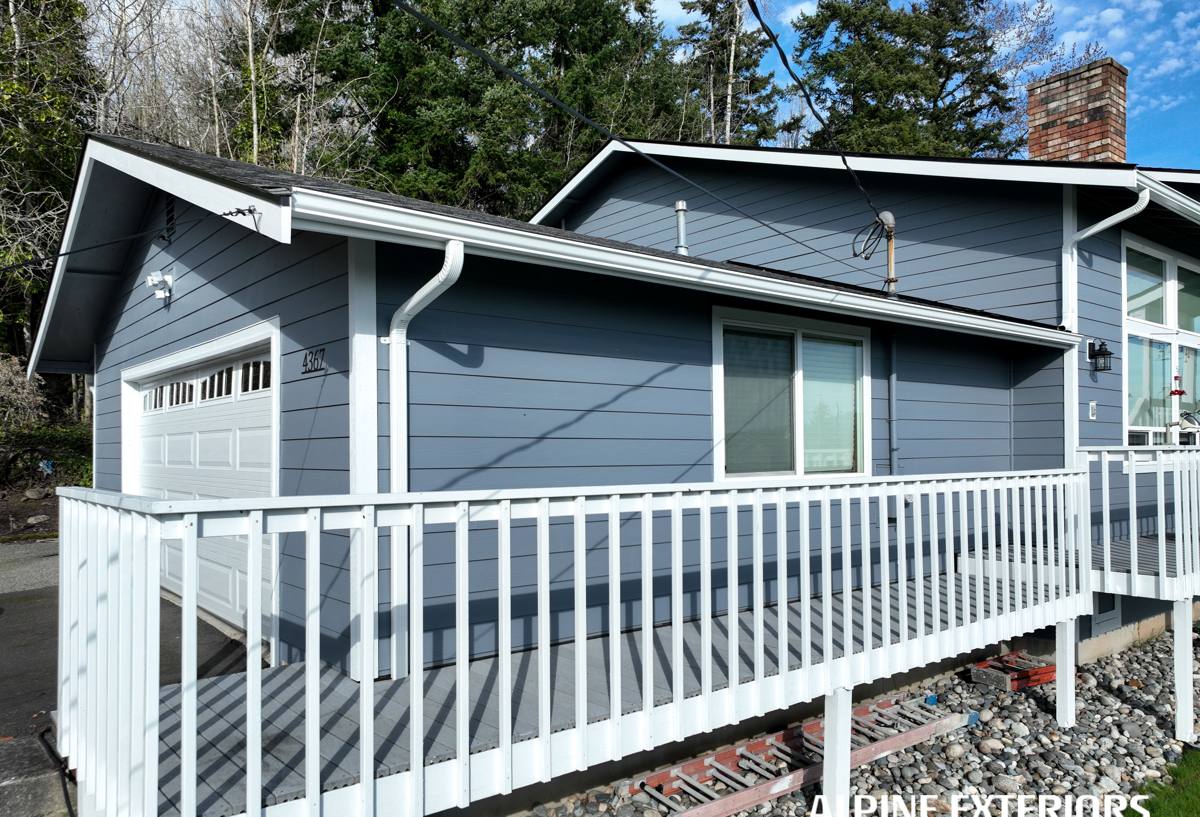
What Acme's Climate Actually Does to a Roof
It helps to understand the specific mechanisms at play, not just "it rains a lot here."
Moss and Organic Growth
Shaded, tree-lined lots are common in and around Acme, and shade plus moisture is exactly what moss needs to establish. Moss holds water against the shingle surface far longer than open weather would on its own, which accelerates granule loss and can lift shingle edges over time. Left unmanaged, moss also works its way toward valleys and edges where water concentrates, which is where leaks tend to start.
Driving Rain and Wind-Driven Moisture
Rain that comes in at an angle behaves differently than rain that falls straight down. It can work its way under shingle tabs, into exposed nail heads, and along poorly lapped flashing. A roof spec'd for calmer weather often skips details — like extended nail penetration checks or upgraded ice-and-water membrane at vulnerable points — that matter more here than they would in a milder climate.
Persistent Humidity and Attic Moisture
Salt air and general coastal-influenced humidity in this part of Whatcom County keep moisture in the air more consistently than a drier inland climate would. Without adequate attic ventilation, that moisture gets trapped under the roof deck, which can lead to sheathing rot, mold, and premature shingle failure from the underside — damage a homeowner won't see until it's already significant.
What a Correct Asphalt Shingle Job Includes
Asphalt shingles are a proven, cost-effective roofing material — when the system underneath them is done right. The shingle itself is only one layer of a roofing system that has to work together.
- Deck inspection and repair — any soft, delaminated, or water-damaged sheathing gets replaced before anything goes back down, not covered over.
- Ice-and-water shield at vulnerable areas — eaves, valleys, and roof-to-wall transitions get a self-adhering waterproof membrane, not just felt.
- Synthetic underlayment across the field — more consistent water resistance than old-style felt, and it holds up better during a multi-day install if weather moves in.
- Proper nailing pattern and placement — correct nail count and placement in the manufacturer's designated zone, not the deck-only shortcut that voids warranties and loosens in wind.
- New flashing at penetrations, chimneys, and walls — reused flashing is one of the most common causes of "mystery" leaks after a re-roof.
- Balanced intake and exhaust ventilation — this is the piece most often left out, and it's the one most responsible for long-term deck health in a humid climate.
- Starter strip and hip/ridge caps matched to the shingle line — these aren't cosmetic; they're where wind-driven rain most often gets in.
Choosing the Right Shingle for Acme Conditions
Not every asphalt shingle product performs the same way in a wet, shaded, moss-prone environment. We steer homeowners toward products with the wind rating and algae-resistant granule technology suited to this region, and we're upfront about the trade-offs of each tier rather than upselling the most expensive option by default.
| Shingle Type | Typical Lifespan | Best Fit For |
|---|---|---|
| 3-Tab (economy) | 15–20 years | Budget-driven projects, secondary structures |
| Architectural (dimensional) | 25–30 years | Most Acme homes — better wind rating, better moss resistance |
| Premium/designer architectural | 30+ years | Homeowners prioritizing appearance and maximum durability |
Algae-resistant (AR) granules are worth the small upcharge on nearly every roof we install in this area. They contain copper or zinc compounds that slow the growth of the algae that causes those dark streaks, and they measurably reduce how aggressively moss and organic growth can take hold between cleanings.
Why We Don't Push Certain Products in This Climate
Some lower-end shingle lines and certain "budget" underlayment products simply weren't engineered with sustained wet-climate exposure in mind — not because the manufacturer did anything wrong, but because they're built to a price point that assumes drier, less moss-prone conditions. On an Acme roof, that shows up as faster granule loss and a shorter effective life than the same product would see in a different climate. We'll tell you honestly when a cheaper option is a reasonable fit for your budget and when it's likely to cost more in the long run.
Our Process for an Acme Roofing Project
1. On-Site Inspection and Honest Assessment
We walk the roof, check the attic for ventilation and moisture signs, and look at flashing, valleys, and any moss or granule loss. You get a plain-English explanation of what we find — not a scare tactic, not a sales pitch.
2. Written Estimate with Real Options
You'll see shingle tier options, what's included in the underlayment and flashing package, and a clear price — no vague allowances that turn into change orders mid-project.
3. Scheduling Around the Weather
We plan installs with Whatcom County's rain patterns in mind and stage materials to minimize how long the deck is exposed. A tear-off left uncovered overnight in this climate is a preventable mistake, and we treat it that way.
4. Tear-Off, Deck Repair, and Install
Old material comes off, the deck gets inspected board by board, and any damage is repaired before the new system goes down. Then underlayment, flashing, shingles, and ventilation components go in, in that order, correctly.
5. Cleanup and Final Walkthrough
Magnetic sweep for nails, full site cleanup, and a walkthrough where we show you the finished work and answer questions before we consider the job done.
Maintenance That Actually Extends Roof Life Here
A well-installed roof still needs some seasonal attention in a climate like this one. It's not complicated, but skipping it is how a 30-year shingle underperforms.
- Keep gutters and valleys clear of needles and debris, especially heading into the wet season.
- Have moss growth treated or removed gently — pressure washing shingles damages granules and shortens shingle life, so it should never be used on a roof.
- Trim back overhanging branches to reduce shade and debris buildup, which slows moss regrowth.
- Get a roof checked after any major wind event for lifted or missing shingles.
- Schedule a periodic inspection every couple of years even if nothing looks obviously wrong — small flashing or granule issues are far cheaper to fix early.
Why a Crew That Already Works Acme Matters
Roofing crews that mainly work drier inland regions or come from out of the area sometimes install a technically fine roof that's still mismatched to local conditions — under-ventilated, without the upgraded moisture protection this climate calls for, or with a shingle tier that isn't suited to a shaded, moss-prone lot. Working in Sudden Valley and the surrounding Whatcom County area regularly means we've seen how roofs here actually age, not just how they're rated on a spec sheet. That shapes real decisions on your project: where we add extra underlayment, how we detail valleys, and what ventilation upgrade actually makes sense for your attic.
We're also simply easier to reach for warranty questions or a post-storm check when we're already working in the area, rather than dispatching a crew from somewhere else entirely.
Signs Your Acme Home May Need a Roof Evaluation
- Granules collecting in gutters or at downspout outlets
- Dark streaking or visible moss patches, especially on north-facing or shaded slopes
- Curling, cracking, or lifted shingle edges
- Daylight visible through the attic roof deck, or damp insulation
- A roof approaching or past 20–25 years old with no major work done
- Soft spots noticed when walking the roof (a sign for a professional to check, not to walk on yourself)
If you're seeing any of these on your Acme home, it's worth having someone look before the next wet season rather than after a leak shows up inside.
If you'd like an honest look at what your roof actually needs, we offer free, no-pressure estimates for Acme homeowners — use the form below to get started.