 Sudden Valley Window
 Siding Built for Life on Lake Whatcom
Homes around Lake Whatcom sit in one of the more demanding microclimates in Whatcom County. Between the tree canopy that rings much of the shoreline, the humidity that hangs over the water, and the long stretch of fall and winter rain typical of the Sudden Valley area, exterior siding here works harder than it does on a home out in the open. We install siding for Lake Whatcom homeowners specifically with that reality in mind — not a generic Pacific Northwest install, but one that accounts for the shade, the moisture load, and the moss and algae growth that this setting encourages.
This page is about one job in one area: siding installation for homes on and around Lake Whatcom. If you're weighing a full re-side, dealing with a section that's failing early, or planning ahead for a remodel, here's what the job actually involves and why the approach matters as much as the material.
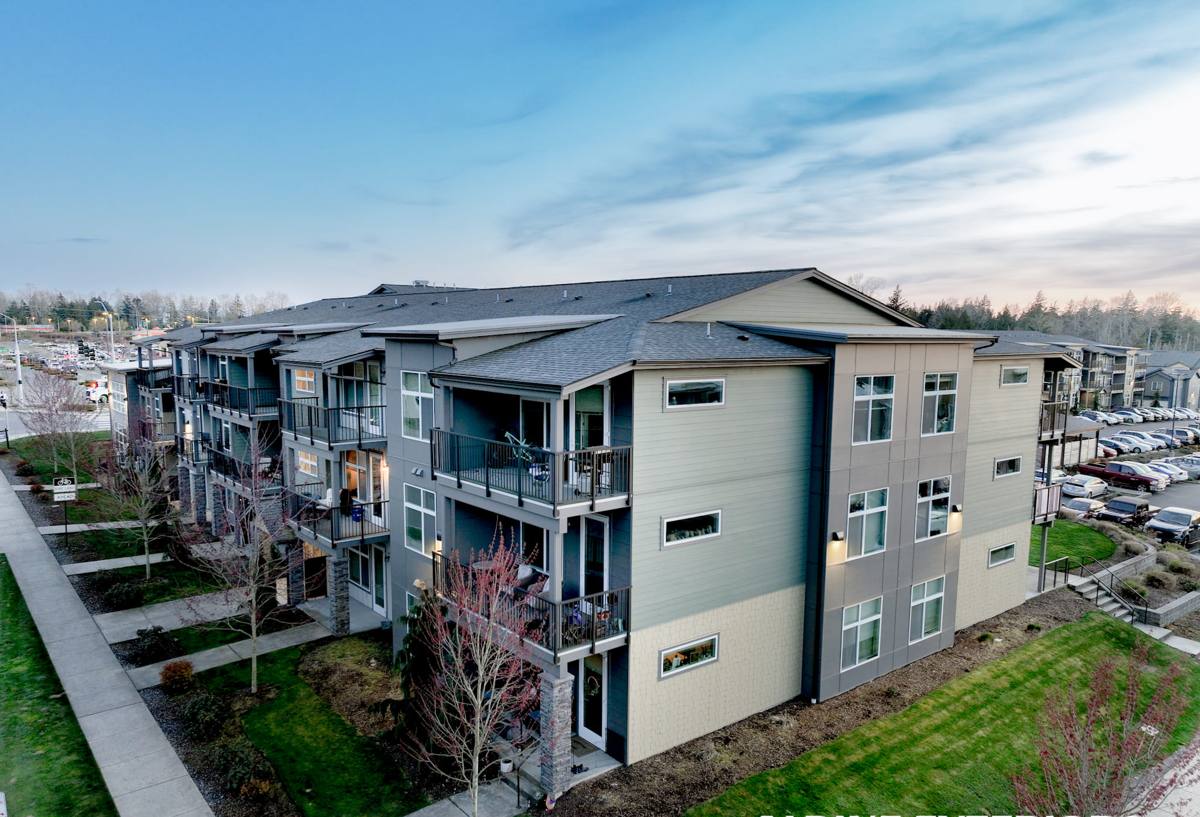
What Lake Whatcom's Climate Does to Siding
A few conditions come up again and again on siding jobs in this part of Whatcom County:
- Persistent shade and moisture. Mature conifers around much of the lake keep siding wet longer after rain than it would stay on an open lot. Slower drying time means more opportunity for moss, algae, and mildew to take hold, especially on north-facing walls and anything tucked under eaves or tree cover.
- A long, wet season. Fall and winter bring extended stretches of driving rain and general dampness that can go on for weeks at a time. Any weak point in a siding system — a poor seam, a missing flashing detail, a gap where water can get behind the cladding — gets tested repeatedly over a Whatcom County winter.
- Marine-influenced regional air. Whatcom County's broader climate carries moisture inland off Bellingham Bay and the Sound, adding to the humidity load that lake-adjacent homes already deal with from the water and tree cover.
- Moss season that runs long. In a lot of Western Washington, moss growth slows down in the drier summer months. Around Lake Whatcom, shaded and lake-facing exposures often stay damp enough that moss and algae keep a foothold much closer to year-round.
None of this means siding is doomed here — it means the material and the installation details matter more than they would somewhere drier and sunnier.
Why We Install Only James Hardie Fiber Cement
We standardized on James Hardie fiber cement siding and don't install vinyl, LP SmartSide, Cemplank, Allura, primed spruce, or cedar. That's a deliberate call based on how those products hold up over years of real Pacific Northwest weather, not a knock on anyone who has one of them on their home now.
| Consideration | Vinyl / engineered wood | James Hardie fiber cement |
|---|---|---|
| Moisture in a shaded, damp setting | Vinyl can warp or gap over time; engineered wood siding relies on an intact factory coating to resist swelling at cut edges and seams | Non-combustible fiber cement doesn't rot, swell, or delaminate from moisture exposure |
| Moss and algae resistance | Textured or wood-grain surfaces on some products can give moss more to grip | ColorPlus factory finish is smoother and more consistent, and the material itself won't feed fungal growth the way wood-based products can |
| Finish longevity | Field-applied paint or factory laminate can fade, peel, or need recoating on a shorter cycle | ColorPlus finish is baked on at the factory and backed by its own finish warranty |
| Fire exposure | Vinyl and wood-based products are combustible | Fiber cement is non-combustible — a real consideration in Whatcom County's wildfire-adjacent summers |
| Long-term cost | Lower upfront cost, but repainting, caulking, and earlier replacement add up | Higher upfront cost, offset by a longer service life and less recurring maintenance |
Every product on that table has legitimate uses and reasonable people choosing it. We simply don't want to put our name on an installation we don't think will hold up on the homes we work on — and in a shaded, damp lakeside setting, that standard matters more, not less.
HardieZone and Why It Matters Here
James Hardie engineers its siding by climate zone under its HardieZone system, and Whatcom County falls into the HZ5 zone — built for regions with real freezing temperatures and sustained wet weather. That's not a marketing detail; it affects the product formulation and how it's meant to be installed. Using the correct HZ line and installing it to Hardie's published specs for this region is part of what makes the difference between siding that shrugs off a Lake Whatcom winter and siding that fights it.
What Correct Installation Actually Involves
Fiber cement siding is only as good as the water management system underneath it. Most siding failures we see on older homes — including some legitimate Hardie jobs — trace back to installation shortcuts, not the material itself. A correct install includes:
- A continuous weather-resistant barrier (WRB) behind the siding, lapped and taped correctly so water that gets past the cladding has somewhere to drain, not somewhere to pool.
- Proper flashing at every window, door, deck ledger, and roof intersection — the details where the vast majority of moisture intrusion actually starts.
- Correct fastening — the right nail or screw type, spacing, and depth per Hardie's fastening schedule, not just "close enough."
- Gapping and clearance at butt joints, corners, and ground contact points so the board can move slightly with temperature and humidity without cracking the finish or trapping water.
- Rainscreen or drainage gap where the wall assembly calls for it, giving siding a way to dry out between the wet stretches that define a Lake Whatcom winter.
- Factory-finished cuts sealed correctly so field cuts don't become the one unprotected edge where moisture gets in.
Skip any one of these and you can end up with premature paint failure, soft trim, or moisture damage behind siding that still looks fine from the driveway — exactly the kind of slow, hidden failure that shows up on shaded, damp walls first.
Our Process on Lake Whatcom Jobs
- On-site assessment. We walk the exterior, check the current siding and any trim or sheathing damage, and look specifically at shaded and lake-facing walls where moisture problems tend to start first.
- Scope and product selection. We confirm which Hardie line and profile fits the home and go over color options in Hardie's ColorPlus finish.
- Tear-off and inspection. Old siding comes off and we inspect the sheathing and framing underneath before anything new goes up — this is often where hidden moisture damage from a prior installation shows up.
- Weather barrier and flashing. We install or repair the WRB and flashing at every penetration before the first piece of siding goes on.
- Installation to spec. Fastening, gapping, and clearances follow Hardie's published installation guidelines for the HZ5 zone.
- Final detailing and walkthrough. Caulking, touch-up, cleanup, and a walkthrough so you know what you're looking at and what maintenance, if any, to expect.
Signs Your Current Siding Is Due for Replacement
A few things worth checking before deciding whether you're looking at a repair or a full re-side:
- Soft or spongy spots when you press on the siding, especially near the bottom courses or under windows
- Persistent moss or algae staining that comes right back after cleaning
- Visible warping, buckling, or gaps opening up between boards or panels
- Paint that's peeling or bubbling rather than just fading
- Cracked caulking at seams, corners, and trim that keeps failing after re-caulking
- Any musty smell or visible staining on interior walls that back up to exterior siding
If you're only seeing an isolated issue on one wall, that can sometimes be addressed without a full re-side — worth an honest look before assuming the whole house needs new siding.
Maintenance and What to Expect Afterward
Fiber cement isn't zero-maintenance, but it's meaningfully lower-maintenance than the alternatives once it's installed correctly. On a shaded, lake-adjacent lot, plan on:
- An occasional soft wash to keep moss and algae from building up on north-facing or heavily shaded walls
- Periodic caulk checks at trim and penetrations, same as any siding system
- No repainting on the cycle you'd expect from field-painted wood siding — the ColorPlus finish is designed to hold up for years before it needs attention
What Affects the Cost
| Factor | Why it matters |
|---|---|
| Home size and wall complexity | More corners, dormers, and trim detail mean more labor and material cuts |
| Condition of the sheathing underneath | Rot or moisture damage found during tear-off adds repair scope before new siding goes up |
| Siding profile and finish | Lap, shingle, and panel profiles, plus custom ColorPlus colors, price differently |
| Site access | Sloped lots, tree cover, and tight lakeside access common around Lake Whatcom can affect staging and labor time |
| Trim and accessory work | Fascia, soffit, and trim replacement done alongside siding is more efficient than doing it later as a separate job |
We don't quote a number until we've actually seen the house — anyone who does before that is guessing.
Why Hire a Crew That Already Works Lake Whatcom
Siding installation in a shaded, moisture-heavy setting rewards crews who've already worked through the specific problems that come with it — how to sequence a job around wet weather, where moss and algae tend to concentrate on a given lot orientation, and how local permitting and access work in Sudden Valley and around the lake. A crew that already knows the area isn't guessing at any of that on your job. That local familiarity, paired with sticking to one manufacturer's installation spec instead of juggling several, is what keeps a siding job from becoming a callback six months later.
If you're planning a siding project for a home on or near Lake Whatcom, we're glad to take a look and give you a straight, no-pressure estimate — no obligation, just an honest read on what your home needs.