 Sudden Valley Window
 Windows Built for South Hill's Weather, Not a Showroom
South Hill sits close enough to open water and exposed hillside that its homes take a different kind of beating than houses just a few miles inland. Wind-driven rain comes in sideways for weeks at a stretch, salt-laden air works on metal and finishes year-round, and the long gray stretch from fall through spring means moss and algae get a real head start on any surface that stays damp. Window replacement here isn't just a cosmetic upgrade — it's a chance to fix a weak point in the building envelope before the next wet season finds it for you.
We've done enough of this work in Sudden Valley and the surrounding Whatcom County hillside to know that a window that performs fine in a sheltered inland neighborhood can fail early on a South Hill elevation that catches wind off the water. This page covers what that means for your home, what a correct installation actually involves, and how we handle the job from first look to final seal.
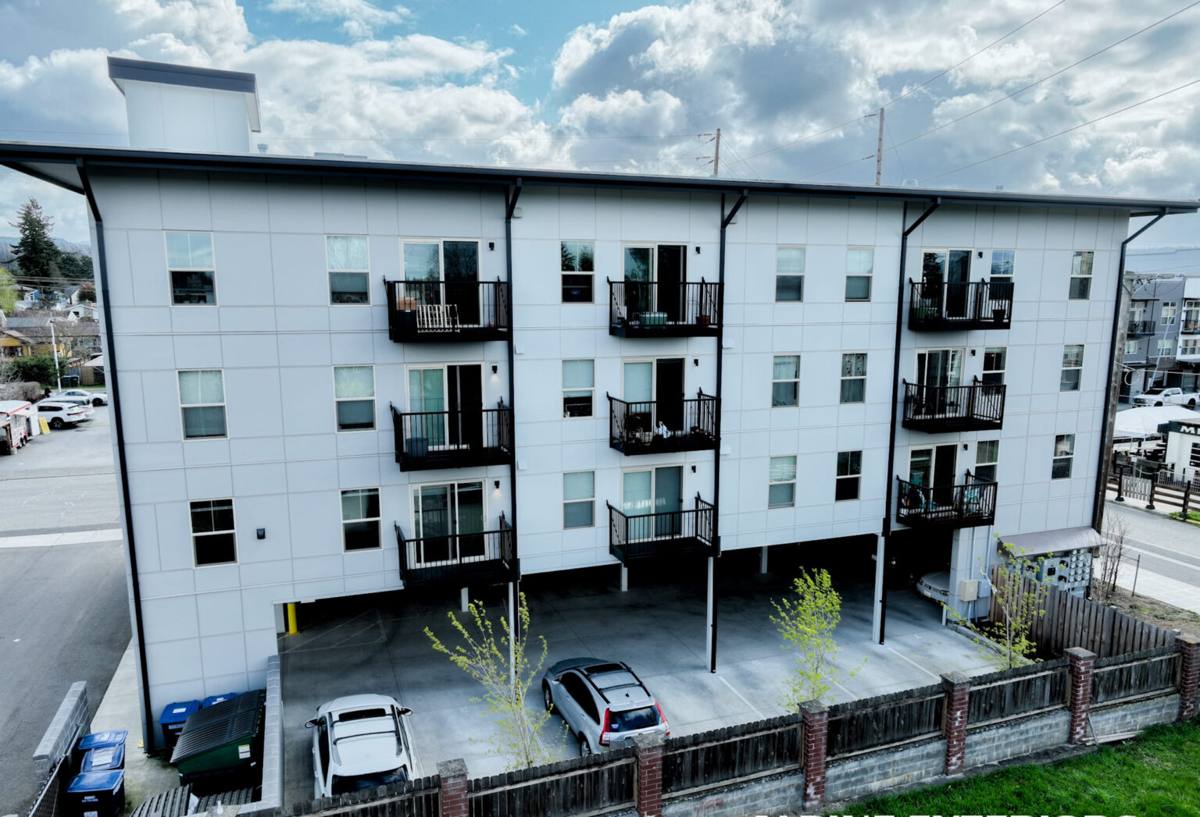
What Whatcom County Weather Actually Does to Windows
Moss and Trapped Moisture
Moss doesn't just grow on roofs. Given a shaded sill, a north-facing wall, or a gap in old caulking, it will colonize window trim and sash corners too. Once moss or algae takes hold, it holds moisture against the wood or vinyl longer than open air ever would, which accelerates rot in wood-framed windows and speeds up seal breakdown in aging vinyl units.
Wind-Driven Rain and Failed Seals
Standard vertical rain is manageable for almost any window. Rain pushed sideways by sustained wind is a different problem — it tests every seam, every bead of caulk, and every piece of flashing around the opening. On exposed South Hill lots, this is usually where an aging window fails first: not through the glass, but around the perimeter, where water finds its way behind the trim and into the wall cavity.
Salt Air and Hardware Fatigue
Salt-laden air corrodes exposed metal faster than most homeowners expect. Window locks, hinges, balance hardware, and screen frames all show it first — stiff operation, pitting, or a lock that no longer seats cleanly. By the time hardware is visibly corroded, the seals around that window have usually been degrading for a while too, since both problems come from the same sustained moisture exposure.
Signs a South Hill Home Needs Window Replacement
Some of these show up gradually enough that homeowners adjust around them without realizing the window itself is the problem. Worth checking for:
- Visible fog or moisture between panes of double-glazed glass — a broken seal that can't be fixed, only replaced
- Drafts you can feel with a hand near the frame on a windy day
- Wood trim or sill that's soft, discolored, or holding paint poorly despite recent painting
- Persistent moss or dark staining on the sill or lower frame that keeps coming back after cleaning
- Windows that are hard to open, close, or lock — often a sign of frame swelling or hardware corrosion
- A noticeable rise in heating costs with no other obvious cause
- Condensation forming on interior glass or trim during cold, wet stretches
One or two of these can sometimes be repaired. Several at once, especially on an older window, usually means replacement is the more honest recommendation — patching a frame that's already compromised just delays a bigger repair later.
What a Correct Window Replacement Job Actually Involves
Removal and Structural Check
Before a new window goes in, the old one comes out carefully enough that we can see the condition of the rough opening — the framing, sheathing, and any existing flashing. This is the point where hidden rot or water damage from a long-failed seal shows up. Skipping this step and just swapping units is how new windows end up sealed against damaged framing, which defeats the purpose of replacing them in the first place.
Flashing and Weatherproofing
This is the part of the job that doesn't show once the trim goes back on, and it's also the part that determines whether the window survives its first real wind-driven storm. Proper flashing tape and a correctly lapped water-resistive barrier around the opening are what keep wind-driven rain from tracking behind the window into the wall. On a South Hill exposure, we treat this step as non-negotiable, not optional upgrade work.
Frame and Sill Material Choices
The frame material and sill detailing matter more here than they would on a sheltered inland lot. We factor in sun exposure, wind direction, and how much moss and moisture that specific elevation of the house sees before recommending a product.
Sealing, Insulation, and Finish
Low-expansion foam or backer rod and sealant around the frame perimeter closes air gaps without bowing the frame out of square. Exterior caulking gets matched to the siding material and given time to cure properly before the next rain — rushing this step is one of the most common causes of early failure we see on other contractors' work.
Comparing Window Materials for This Climate
| Material | Moisture Behavior | Salt Air Durability | Maintenance |
|---|---|---|---|
| Vinyl | Won't rot; seals are the main wear point | Good — minimal corrosion risk | Low — occasional cleaning |
| Fiberglass | Very stable, resists warping | Very good | Low |
| Wood (unclad) | Vulnerable if finish isn't maintained | Moderate — hardware needs attention | High — regular refinishing |
| Wood-clad (metal or vinyl exterior) | Good if cladding and flashing are done right | Good on the exterior face | Moderate |
| Aluminum | Prone to condensation without a thermal break | Corrodes without proper coating | Moderate |
We don't push one material as the answer for every home. A shaded, moss-prone north wall and a sun-exposed south wall on the same house can reasonably get different recommendations. What we won't do is install a product on a heavy-exposure wall knowing its maintenance needs don't match what the homeowner is realistically going to keep up with — that's a setup for the same complaints five years later.
Our Process, Start to Finish
1. On-Site Assessment
We look at each window individually — not just the glass, but the sill, trim, and how that specific wall faces the weather. This is where we flag any rot or moisture damage before it becomes a surprise mid-project.
2. Straightforward Recommendation
You get a plain explanation of what each window needs and why, including honest trade-offs between material options. No pressure toward the most expensive product if a mid-range option genuinely fits the exposure better.
3. Accurate Measurement and Ordering
Replacement windows are ordered to the actual opening, not a generic size, which avoids gaps that get filled with excess caulk or foam instead of a proper fit.
4. Careful Removal and Opening Inspection
As covered above, this is the step that catches hidden problems before they get sealed behind a new window.
5. Installation with Proper Flashing
New window set, shimmed level and square, flashed and sealed to shed water the way the wall assembly is designed to.
6. Interior and Exterior Finish
Trim, caulk, and paint or stain matched to the existing finish, with enough cure time before the job is called complete.
7. Final Walkthrough
We check operation, locks, and screens with you before we consider the job done.
Cost Factors for South Hill Window Replacement
We don't publish fixed pricing because window replacement costs vary a lot based on the specifics of each opening. What generally moves the price:
| Factor | Why It Matters |
|---|---|
| Window size and configuration | Larger units, bay/bow windows, and custom shapes cost more than standard double-hung sizes |
| Material selection | Vinyl is typically the most budget-friendly; fiberglass and wood-clad options cost more upfront |
| Condition of the rough opening | Rot or structural repair found during removal adds time and material |
| Number of windows done at once | Bundling multiple windows in one visit is usually more efficient than one-off replacements |
| Access and site conditions | Upper-story or hard-to-reach windows on sloped South Hill lots can add labor time |
Broadly, most homeowners are looking at a range from a few hundred dollars per window on the low end for a straightforward vinyl replacement up to well over a thousand per unit for larger or higher-end products with rot repair involved. We'll give you real numbers for your actual windows after a look at the house — not a phone-quote guess.
Why Hiring a Crew That Already Works South Hill Matters
A window that's correctly installed for a sheltered suburban lot isn't automatically correct for a wind-exposed wall near Sudden Valley. We've seen what fails first on this kind of exposure — usually flashing details or hardware choices — and we build around those failure points rather than learning them on your house. That local pattern recognition is worth more than it sounds like on paper; it's the difference between a window that's still tight in five years and one that's showing the same moss and drafts it had before.
We're also familiar with the practical side of working on Sudden Valley properties — the driveway access, the weather windows for exterior work, and the seasonal timing that makes for a cleaner install with less risk of rain getting into an open wall mid-project.
After the Install: Keeping Windows Performing
New windows still need basic upkeep in this climate. A few habits that go a long way:
- Rinse sills and tracks periodically to keep moss and algae from establishing
- Check exterior caulk lines once a year, especially after a hard winter, and touch up any cracking
- Operate locks and hardware a few times a season so moving parts don't seize
- Keep gutters and downspouts clear so runoff isn't sheeting directly across window walls
- Watch for condensation between panes — it's the one sign that means the seal, not the frame, needs attention
None of this is heavy maintenance, but skipping it is how even a good window install starts showing problems ahead of schedule in a climate this wet.
If you're noticing drafts, stuck sashes, or moss buildup around your windows, we're glad to take a look and put together a straightforward, no-pressure estimate — just fill out the form below.